
Minerals
Understanding Minerals: The Body's Essential Building Blocks
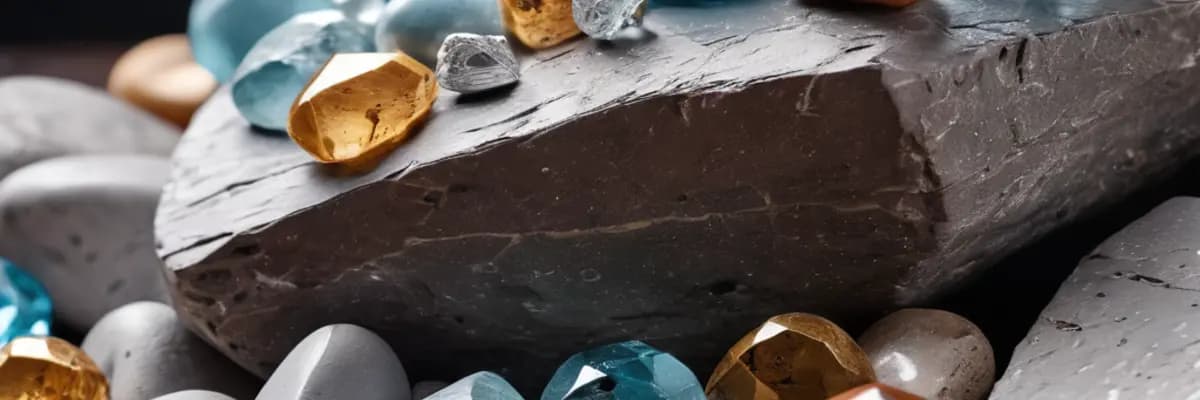
Minerals are inorganic elements that originate from the earth and cannot be made by living organisms. Plants obtain minerals from the soil, and most of the minerals in our diets come directly from plants or indirectly from animal sources. Minerals play a crucial role in a vast array of physiological processes necessary for life and optimal health.
They are essential for the proper functioning of our bodies, contributing to bone health, nerve function, enzyme production, fluid balance, energy metabolism, and much more. Even though they are needed in varying amounts—some in larger quantities (macrominerals) and others in trace amounts (trace minerals)—all are vital.
Types of Minerals:
Minerals are generally categorized based on the amount needed by the body:
Macrominerals (Major Minerals): These are required and stored in larger amounts in the body. They include:
- Calcium: Essential for strong bones and teeth, muscle function, nerve transmission, and blood clotting.
- Phosphorus: Works with calcium for bone health, part of DNA and RNA structure, involved in energy storage and use.
- Magnesium: Involved in over 300 enzymatic reactions, including muscle and nerve function, blood glucose control, and blood pressure regulation.
- Sodium: Important for fluid balance, nerve impulses, and muscle contractions.
- Potassium: Crucial for fluid balance, nerve signals, muscle contractions, and maintaining normal blood pressure.
- Chloride: Works with sodium to maintain fluid balance, essential for stomach acid production.
- Sulfur: Found in some amino acids and vitamins, important for protein structure and detoxification pathways.
Trace Minerals (Microminerals): These are needed in smaller amounts, but are equally important for health. They include:
- Iron: Essential for creating hemoglobin (which carries oxygen in the blood) and myoglobin (which carries oxygen in muscles), and for energy metabolism.
- Zinc: Important for immune function, wound healing, DNA synthesis, cell division, and sense of taste and smell.
- Copper: Involved in iron metabolism, energy production, and the formation of connective tissue and neurotransmitters.
- Manganese: Plays a role in bone formation, metabolism of amino acids, cholesterol, glucose, and carbohydrates.
- Iodine: Critical for the production of thyroid hormones, which regulate metabolism.
- Selenium: Acts as a powerful antioxidant, important for thyroid function and protecting against oxidative damage.
- Chromium: Enhances the action of insulin and is involved in carbohydrate, fat, and protein metabolism.
- Molybdenum: Acts as a cofactor for several enzymes involved in metabolizing sulfur-containing amino acids and other compounds.
- Fluoride: Promotes bone and dental health by strengthening tooth enamel.
Importance of Mineral Balance:
Maintaining a proper balance of minerals is crucial, as they often work synergistically. An excess or deficiency of one mineral can impact the absorption or function of others. A varied and balanced diet is typically the best way to ensure adequate intake of all essential minerals. However, in certain situations such as specific dietary restrictions, increased physiological needs, or diagnosed deficiencies, supplementation may be considered under the guidance of a healthcare professional.
This section provides detailed information on individual minerals. Browse through the supplements listed below to learn more.

Bor
Bor je stopový prvek, který podporuje zdraví kostí zlepšením retence vápníku a hořčíku a metabolismu vitamínu D. Také ovlivňuje metabolismus pohlavních hormonů a může snížit zánět, což prospívá zdraví kloubů a kostí.
Key focuses:
 Joint & Bone Health
 Inflammation Response Support
 Women's Health
Vápník
Vápník je nejhojnější minerál v těle, esenciální pro stavbu kostí, svalovou kontrakci, přenos nervových impulzů a srážení krve. Dostatečný příjem je kritický po celý život, zejména pro ženy v menopauze a starší dospělé.
Key focuses:
Joint & Bone Health Athletic Support
 Longevity & Aging
Chrom
Chrom je esenciální stopový minerál, který zvyšuje inzulinovou senzitivitu a hraje roli v metabolismu sacharidů, tuků a bílkovin. Nejčastěji se doplňuje jako chrom pikolinát.
Key focuses:
 Metabolic Health
 Cardiovascular Health
 Mood Support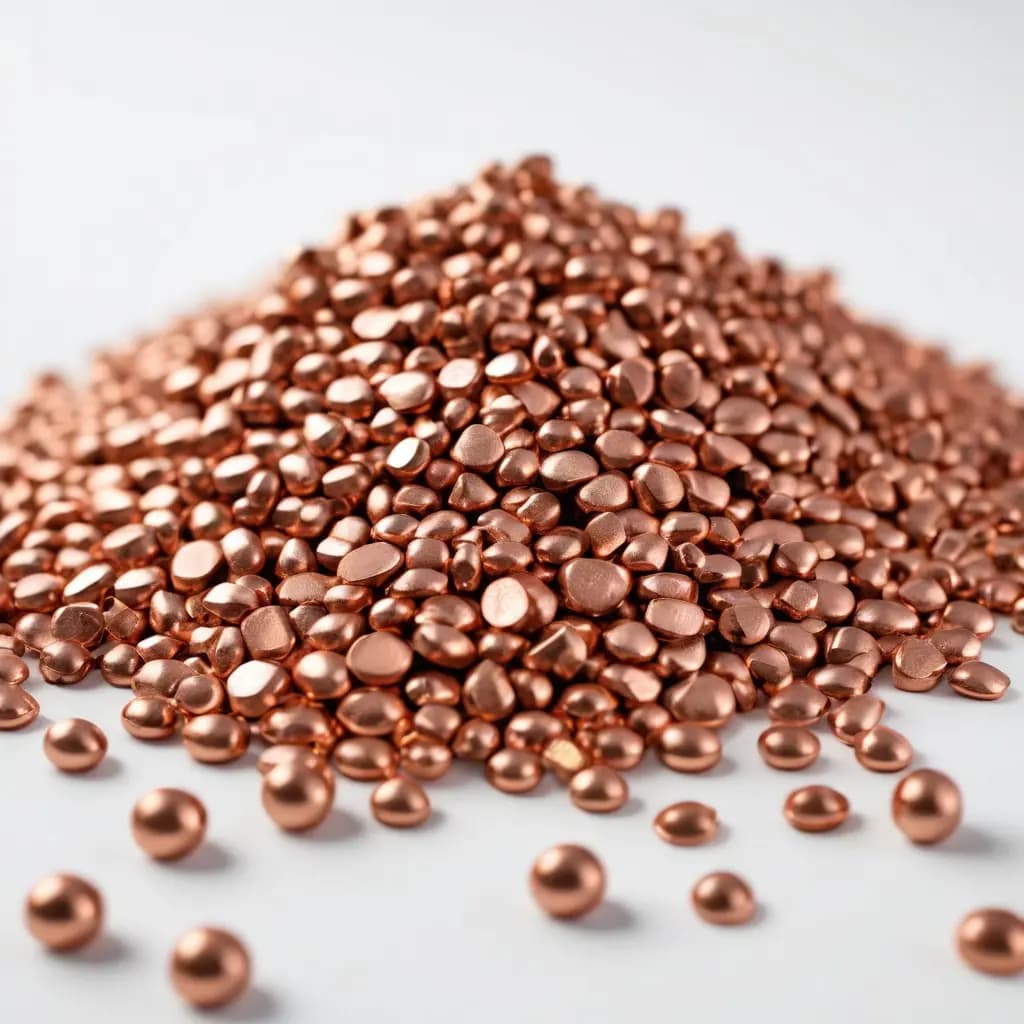
Měď
Měď je esenciální stopový minerál potřebný pro metabolismus železa, tvorbu pojivových tkání a produkci energie. Nedostatek způsobuje anémii a neurologické problémy.
Key focuses:
 Immunity Support
 Energy & Vitality
 Skin, Hair & Nails
Jód
Jód je esenciální stopový minerál potřebný pro syntézu hormonů štítné žlázy. Nedostatek způsobuje strumu, hypotyreózu a mentální postižení u kojenců. Jodizovaná sůl téměř eliminovala nedostatek v mnoha regionech.
Key focuses:
Metabolic HealthWomen's Health Cognitive Function
Zelezo
Zelezo je esencialny mineral kriticky pre produkciu hemoglobinu, proteinu v cervenych krvinkach, ktory prenasa kyslik po celom tele. Hra zivotnu rolu v metabolizme energie, imunitnej funkcii a kognitivnom vyvoji. Nedostatok zeleza je jednym z najbeznejsich nutricnych nedostatkov na celom svete, najma postihujucich zeny v reproduktivnom veku.
Key focuses:
Women's HealthEnergy & VitalityCognitive Function
Hořečnatý glycinát
Hořečnatý glycinát je vysoce biodostupná, dobře snášená forma hořčíku, která podporuje kvalitu spánku, snížení úzkosti, uvolnění svalů a více než 300 enzymatických reakcí v těle. Složka glycin přidává uklidňující vlastnosti.
Key focuses:
 Stress & SleepJoint & Bone HealthCardiovascular Health
Horcik
Horcik je esencialny mineral zapojeny do viac ako 300 biochemickych reakcii v tele. Podporuje svalovu a nervovu funkciu, reguluje krvny tlak, pomaha pri synteze proteinov a podporuje pokojny spanok. Moderna strava casto postrada dostatocny horcik, co z neho robi hodnotny doplnok pre mnohych jedincov.
Key focuses:
Stress & SleepAthletic SupportEnergy & Vitality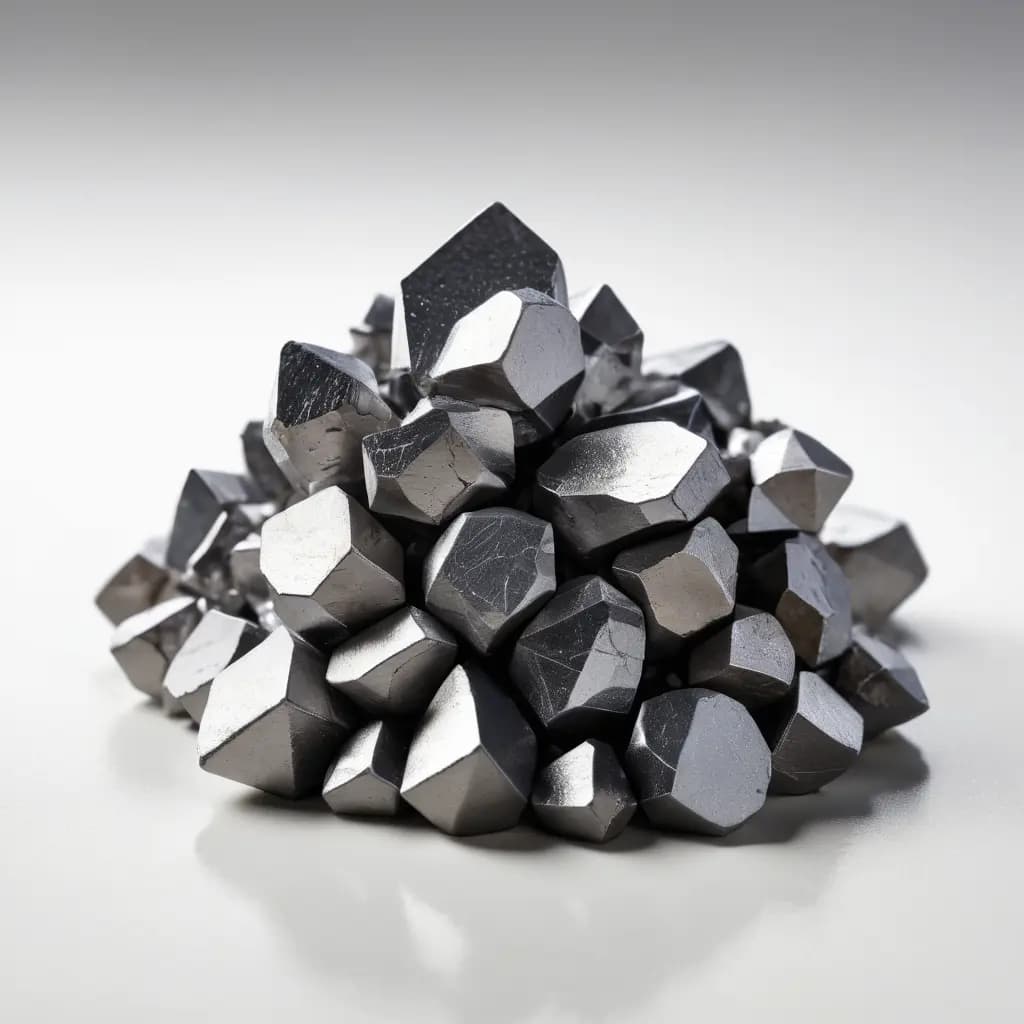
Mangan
Mangan je esenciální stopový prvek, který působí jako kofaktor pro několik důležitých enzymů zapojených do tvorby kostí, antioxidační obrany a metabolismu. Je nutný pro normální růst a vývoj, ale pouze v malém množství.
Key focuses:
Joint & Bone Health Antioxidant SupportMetabolic Health
Molybden
Molybden je esencialni stopovy prvek, ktery pusobi jako kofaktor pro ctyri dulezite enzymy zapojene do metabolismu aminokyselin a detoxikace. Nedostatek je extremne vzacny; vetsina lidi ziskava dostatecne mnozstvi z potravy.
Key focuses:
 Detoxification SupportMetabolic Health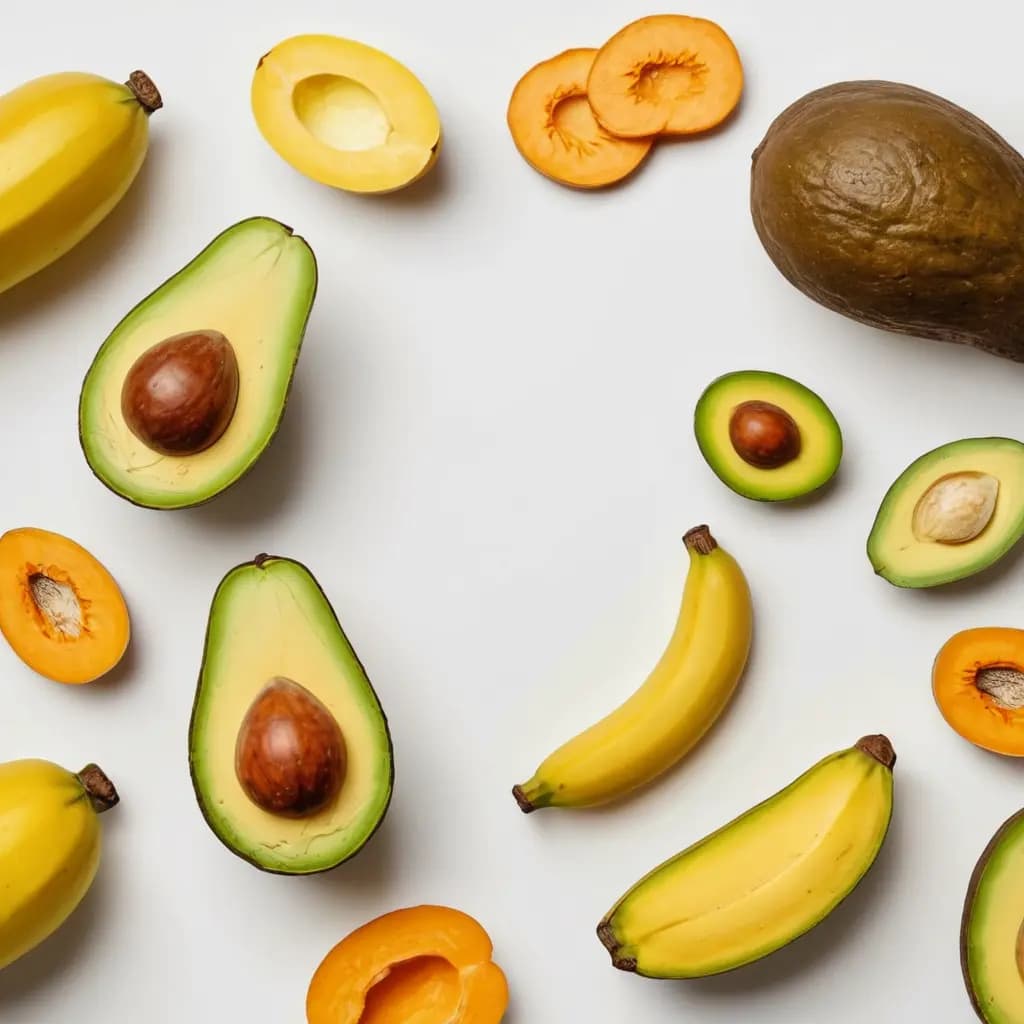
Draslik
Draslik je esencialni mineral a elektrolyt kriticky pro funkci srdce, svalove kontrakce, prenos nervovych signalu a regulaci krevniho tlaku. Vetsina lidi nekonzumuje dostatecna mnozstvi.
Key focuses:
Cardiovascular HealthCardiovascular HealthAthletic Support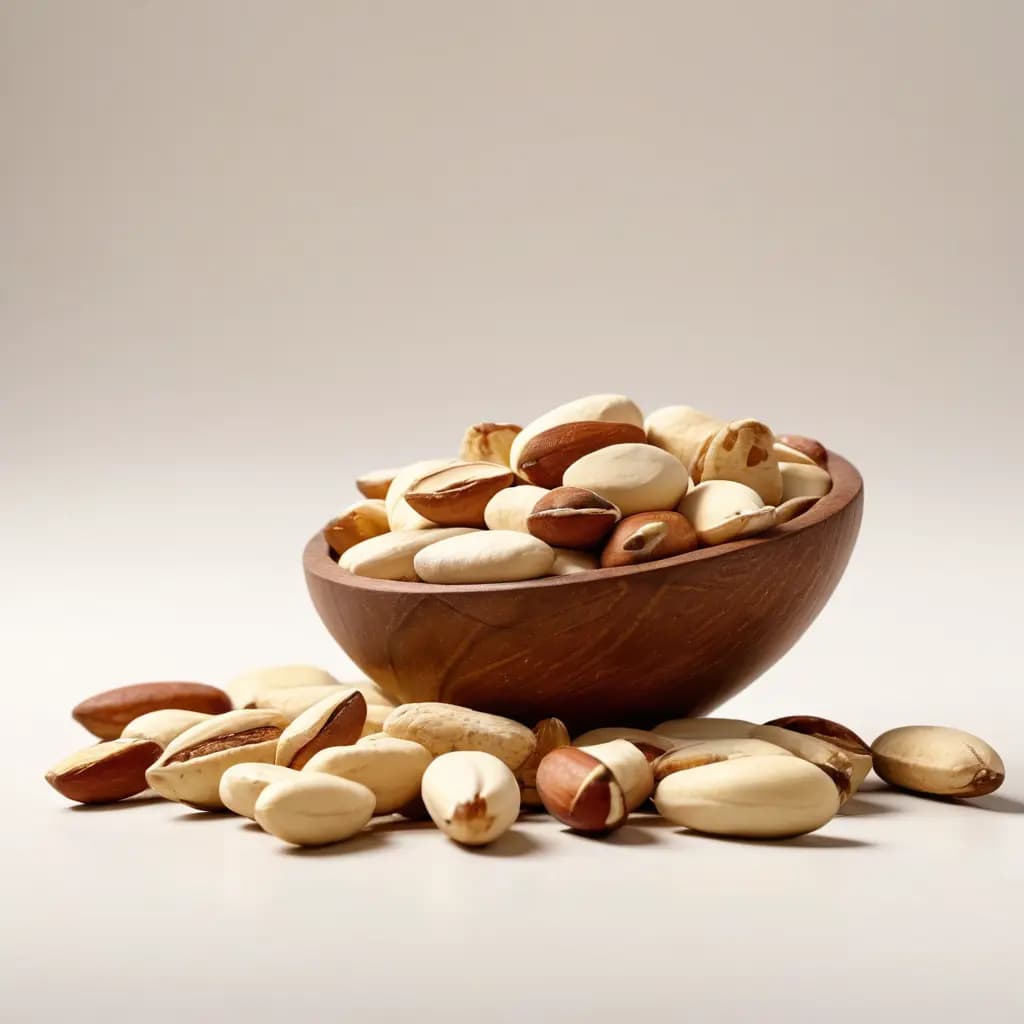
Selen
Selen je esencialni stopovy mineral, ktery funguje jako antioxidant a je kriticky pro metabolismus stitnych hormonu, syntezu DNA a reprodukci.
Key focuses:
Metabolic HealthAntioxidant SupportImmunity Support