
Zastrzeżenie medyczne: Informacje te mają wyłącznie charakter edukacyjny i nie stanowią porady medycznej. Przed rozpoczęciem suplementacji skonsultuj się z lekarzem lub farmaceutą, szczególnie jeśli masz problemy zdrowotne lub przyjmujesz leki.
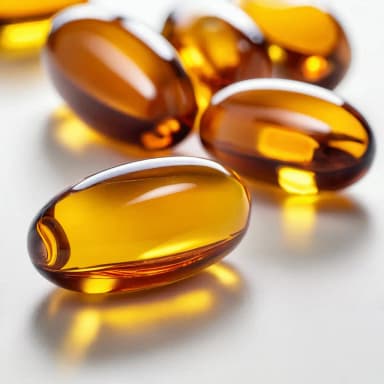
Omega-3 Fish Oil
Omega-3 fatty acids (EPA/DHA)
Znany również jako: EPA (Eicosapentaenoic Acid), DHA (Docosahexaenoic Acid), Fish Oil, Marine Omega-3, Long-chain Omega-3
Omega-3 fatty acids EPA and DHA from fish oil support cardiovascular health, brain function, and reduce inflammation. Established benefits for lowering triglycerides and supporting heart health in high-risk individuals.
Wprowadzenie
Omega-3 fatty acids are essential polyunsaturated fats that play critical roles in human health. The two most important long-chain omega-3s are eicosapentaenoic acid (EPA) and docosahexaenoic acid (DHA), found primarily in fatty fish and fish oil supplements. A third omega-3, alpha-linolenic acid (ALA), comes from plant sources but must be converted to EPA and DHA in the body—a process that is highly inefficient in humans.
EPA and DHA are incorporated into cell membranes throughout the body, particularly in the brain, retina, and heart. They serve as precursors to specialized pro-resolving mediators (SPMs) like resolvins, protectins, and maresins—compounds that actively resolve inflammation rather than merely suppressing it.
Fish consumption has long been associated with reduced cardiovascular disease risk. Greenland Eskimos, despite a high-fat diet, showed remarkably low rates of heart disease, leading researchers to investigate the protective effects of their marine-based diet rich in omega-3s. Since then, thousands of studies have explored omega-3s' effects on cardiovascular health, brain function, inflammation, and more.
The strongest clinical evidence supports omega-3s for:
Triglyceride Lowering: High-dose EPA+DHA (2-4g/day) significantly reduces elevated triglycerides, leading to FDA approval of prescription omega-3 products for this indication.
Cardiovascular Risk Reduction: The REDUCE-IT trial showed that high-dose prescription EPA (icosapent ethyl, 4g/day) reduced cardiovascular events by 25% in patients with elevated triglycerides despite statin therapy. However, mixed results from other large trials have led to ongoing debate about which populations benefit most.
Brain Health: DHA is the primary omega-3 in the brain, comprising about 20% of the brain's gray matter. Adequate intake is essential during pregnancy for fetal brain development and may support cognitive function in aging.
Anti-inflammatory Effects: Omega-3s produce less inflammatory eicosanoids than omega-6 fatty acids and actively produce inflammation-resolving mediators. This underlies potential benefits in inflammatory conditions.
Dietary recommendations from major health organizations suggest consuming 1-2 servings of fatty fish per week. For those not meeting this through diet, supplements provide concentrated EPA+DHA. Quality is crucial—omega-3s are prone to oxidation (rancidity), and fish oil can contain contaminants like mercury, PCBs, and dioxins if not properly purified.
Główne korzyści
Significantly lowers elevated triglycerides; prescription EPA+DHA at 4g/day reduces triglycerides by 20-30%; FDA-approved for this indication.
Reduces cardiovascular events in high-risk patients; REDUCE-IT trial showed 25% reduction with prescription EPA (4g/day) in patients with elevated triglycerides.
Essential for brain development and function; DHA comprises ~20% of brain gray matter; critical during pregnancy and early childhood.
Produces anti-inflammatory and inflammation-resolving mediators; shifts eicosanoid balance toward less inflammatory compounds.
Supports eye health; DHA is major structural component of retina; adequate intake associated with reduced risk of age-related macular degeneration.
May improve blood pressure modestly; particularly effective in hypertensive individuals and at higher doses.
Mechanizm działania
Omega-3 fatty acids EPA and DHA exert their effects through multiple integrated mechanisms involving cell membrane composition, eicosanoid production, gene expression, and specialized pro-resolving mediator synthesis:
- Cell Membrane Incorporation: EPA and DHA are incorporated into cell membrane phospholipids, displacing arachidonic acid (omega-6). This changes:
- Membrane fluidity and receptor function
- Substrate availability for eicosanoid production
- Cell signaling properties
- Eicosanoid Modulation: Omega-3s compete with omega-6 arachidonic acid for the enzymes COX and LOX, producing:
- Less inflammatory prostaglandins (PGE3 vs PGE2)
- Less inflammatory leukotrienes (LTB5 vs LTB4)
- Thromboxane A3 (less platelet-aggregating than TXA2)
- Prostacyclin PGI3 (vasodilatory and anti-aggregatory)
- Specialized Pro-Resolving Mediators (SPMs): EPA and DHA are converted to actively inflammation-resolving compounds:
- Resolvins (E-series from EPA, D-series from DHA)
- Protectins (neuroprotective, from DHA)
- Maresins (macrophage-mediated, from DHA)
These compounds actively terminate inflammation and promote tissue repair, rather than merely suppressing inflammatory mediators.
- Triglyceride Reduction: Omega-3s lower triglycerides through:
- Reduced hepatic VLDL synthesis and secretion
- Enhanced triglyceride clearance from plasma
- Increased beta-oxidation of fatty acids
- Reduced expression of lipogenic genes
- Cardiac Effects: EPA specifically may:
- Stabilize atherosclerotic plaques
- Reduce oxidative stress
- Improve endothelial function
- Reduce cardiac arrhythmias
- Gene Expression: Omega-3s regulate gene expression through:
- Activation of PPAR-alpha (regulates lipid metabolism)
- Inhibition of SREBP-1c (reduces lipogenesis)
- Effects on inflammatory gene transcription
- Neuronal Function: DHA specifically supports:
- Neuronal membrane structure and function
- Neurotransmission and receptor signaling
- Neurogenesis and synaptic plasticity
- Neuroprotection through anti-apoptotic effects
- Cardioprotection: The distinct mechanisms of EPA vs DHA:
- EPA: More effective for cardiovascular outcomes, anti-inflammatory, plaque stabilization
- DHA: More effective for triglyceride lowering, brain and eye health
This functional difference explains why some trials of mixed EPA+DHA show different results than trials of purified EPA alone.
Naturalne źródła
EPA and DHA are found primarily in fatty cold-water fish including salmon, mackerel, sardines, herring, anchovies, and tuna. Algae are the original source of DHA in the marine food chain; algal oil supplements provide DHA for vegetarians/vegans. Plant-based ALA (flax, chia, walnuts) converts poorly (<5%) to EPA and DHA in humans.
Przykłady:
Salmon (wild and farmed)
Mackerel
Sardines
Herring
Anchovies
Tuna (bluefin and albacore)
Cod liver oil
Algal oil (vegetarian DHA source)
Omega-3 enriched eggs
Fatty fish available but many people consume less than recommended 1-2 servings/week; concerns about mercury in large predatory fish; algal oil available for vegetarians.
Zalecane dzienne spożycie
No established RDA for EPA+DHA specifically. Adequate Intake for ALA is 1.1-1.6g/day. AHA recommends 1-2 servings fatty fish/week (providing ~250-500mg EPA+DHA/day). For triglyceride lowering: 2-4g EPA+DHA daily. For cardiovascular risk reduction (REDUCE-IT protocol): 4g pure EPA daily (prescription).
Skuteczność dla konkretnych celów
Strongest evidence base; triglyceride-lowering well-established; REDUCE-IT showed 25% CVD risk reduction with prescription EPA; may be less effective for primary prevention.
DHA essential for brain structure; observational studies support benefits; clinical trial results mixed for cognitive enhancement in adults.
Well-established mechanisms (SPMs, eicosanoid shift); strong mechanistic evidence; clinical evidence in specific inflammatory conditions.
DHA major retinal component; AREDS2 included omega-3s; observational evidence for macular degeneration prevention.
Potent triglyceride-lowering effects; improves some other metabolic markers; FDA-approved for hypertriglyceridemia.
Informacje o bezpieczeństwie
Możliwe skutki uboczne
Fishy aftertaste or burps
Nausea and gastrointestinal upset
Loose stools
Increased bleeding risk at high doses
Increased LDL cholesterol (with some formulations)
Blood sugar elevation (rare, with high doses)
Przeciwwskazania
Fish or shellfish allergy (for fish-derived products)
Bleeding disorders
Upcoming surgery (high doses)
Anticoagulant medication (caution with high doses)
Informacje o przedawkowaniu
Generally safe at recommended doses; very high doses (>3g/day) may increase bleeding risk and immune suppression; quality issues (rancidity, contaminants) more concerning than acute toxicity.
Well-tolerated at moderate doses. Quality issues (oxidation, contaminants) more concerning than inherent toxicity. Choose third-party tested products.
Interakcje
Interakcje z lekami:
Anticoagulants (warfarin, aspirin) - additive bleeding risk at high doses
Antihypertensive medications - may enhance blood pressure lowering
Orlistat (reduces absorption of fat-soluble nutrients)
Contraceptive drugs (may affect omega-3 levels)
Moderate concern with anticoagulants at high doses (>3g/day); otherwise minimal clinically significant interactions.
Interakcje z innymi suplementami:
Vitamin E (additive antioxidant effects)
Other blood-thinning supplements (additive bleeding risk)
Fat-soluble vitamins (competition for absorption)
Generally compatible with most supplements; caution with other supplements affecting bleeding at high omega-3 doses.
Choose third-party tested products (IFOS, NSF, USP) to ensure purity and freshness. Rancid fish oil can be pro-inflammatory. Store in refrigerator after opening. Enteric-coated capsules reduce fishy burps. Discontinue high doses 1-2 weeks before surgery.
Formy i biodostępność
Omega-3 supplements vary in EPA:DHA ratio, concentration, and form (triglyceride, ethyl ester, phospholipid, free fatty acid). Higher concentration products require fewer capsules. Re-esterified triglyceride form may have better absorption than ethyl esters.
Re-esterified Triglyceride (rTG)
Omega-3s converted back to natural triglyceride form after concentration; excellent absorption; most natural form.
Superior absorption compared to ethyl esters; natural form found in fish; well-tolerated; concentrated options available.
Best balance of absorption and concentration. Look for 60%+ EPA+DHA concentration. Premium products typically use this form.
Ethyl Ester (EE)
Concentrated omega-3s in ethyl ester form; good absorption but less than triglyceride form; commonly used in prescription products.
Good absorption; allows high concentration; prescription Lovaza uses this form; slightly less bioavailable than rTG.
Take with high-fat meal for best absorption. Common in concentrated supplements. More affordable than rTG.
Phospholipid (Krill Oil)
Omega-3s bound to phospholipids (as in krill oil); may have enhanced cellular uptake; naturally contains astaxanthin.
Good absorption; phospholipid form may enhance cellular uptake; lower omega-3 content per capsule than concentrated fish oil.
Krill oil is phospholipid-bound. Contains astaxanthin (antioxidant). More expensive; less total EPA+DHA per capsule. Sustainability concerns for krill.
Algal Oil
DHA (and sometimes EPA) from algae; suitable for vegetarians/vegans; good absorption but typically lower EPA content.
Good absorption; sustainable source; ideal for those avoiding fish; often lower EPA than fish oil unless specifically enriched.
Vegetarian/vegan option. Sustainable. Good for DHA. Newer products now include EPA. Check EPA+DHA content as it varies.
Natural Triglyceride (Standard Fish Oil)
Unconcentrated fish oil in natural triglyceride form; typically 30% EPA+DHA; requires multiple capsules for therapeutic doses.
Good absorption; natural form; less concentrated so requires more capsules; well-tolerated.
Standard fish oil. Affordable. Need 3-4 capsules to get 1g EPA+DHA. Good for general wellness if taken consistently.
Ostrzeżenia i przydatność
Czy wiesz, że...?
The omega-3 fatty acid DHA was first discovered in large quantities in the brains of dolphins, leading researchers to investigate its role in brain development.
Fish don't actually produce EPA and DHA themselves—they get it from algae. When you take fish oil, you're essentially getting concentrated algae omega-3s secondhand.
The Greenland Eskimo population was found to have remarkably low rates of heart disease despite a high-fat diet—this observation launched modern omega-3 research.
Salmon get their pink/orange color from astaxanthin, an antioxidant they obtain from eating krill. Farmed salmon are often fed synthetic astaxanthin to achieve the same color.
The pharmaceutical-grade omega-3 product Vascepa (pure EPA) was derived from an unsuccessful attempt to create a coated form of fish oil that wouldn't cause fishy burps.
Ogólne źródła naukowe
Tagi
Weryfikacja treści
Treść tworzona z pomocą AI i weryfikowana pod kątem dokładności. Źródła są cytowane w tekście.
Ostatni przegląd medyczny: 25.02.2026
Zweryfikowano przez: Prodata.cc