
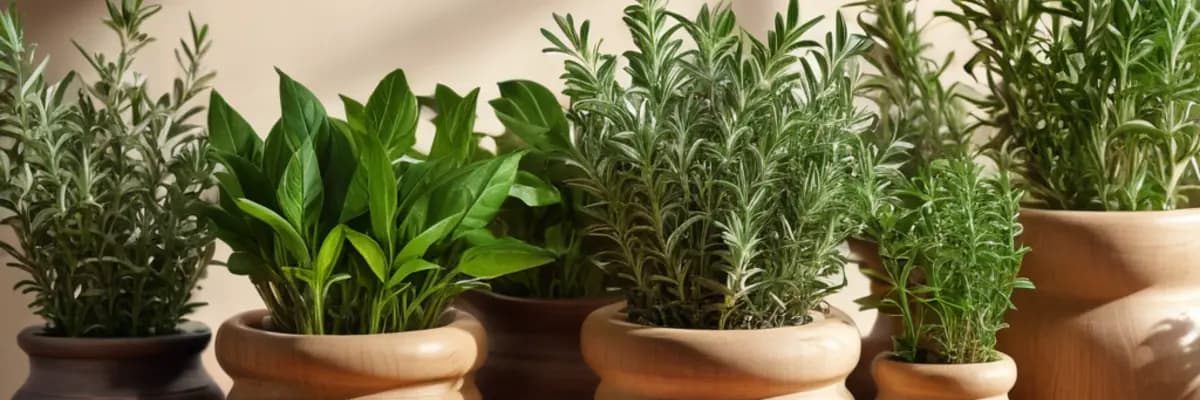
Herbs
Understanding Herbs: Nature's Pharmacy for Health and Wellness
Herbs are plants or parts of plants (such as leaves, flowers, seeds, roots, or bark) valued for their medicinal, aromatic, or savory qualities. For millennia, cultures around the world have utilized herbs for healing, health maintenance, and culinary purposes. Modern science is increasingly investigating the traditional uses of herbs, identifying active compounds and exploring their mechanisms of action within the body.
Herbal supplements can offer a wide range of potential health benefits, from supporting immune function and reducing inflammation to improving mood and enhancing cognitive abilities. Many herbs contain complex mixtures of phytochemicals that can work synergistically.
Key Aspects of Herbal Supplements:
- Active Compounds: Herbs contain various bioactive compounds, such as alkaloids, flavonoids, terpenes, glycosides, and polyphenols, which are responsible for their therapeutic effects.
- Traditional Use & Modern Research: Many herbal remedies have a long history of traditional use, which often provides a basis for modern scientific investigation. Research aims to validate these uses and understand the safety and efficacy of herbal preparations.
- Standardization: Some herbal supplements are standardized to contain a specific amount of one or more active constituents. This helps ensure consistency and potency across different batches.
- Forms of Herbal Supplements: Herbs can be prepared and consumed in various forms, including teas, tinctures, extracts (liquid or powdered), capsules, and tablets.
Focus on Adaptogenic Herbs:
A particularly interesting class of herbs are adaptogens. These are natural substances considered to help the body adapt to stress and to exert a normalizing effect upon bodily processes. Well-known adaptogens include:
- Ashwagandha (Withania somnifera): Traditionally used in Ayurvedic medicine to reduce stress, improve energy levels, and enhance concentration.
- Rhodiola Rosea: Known for its potential to combat fatigue, improve mental performance under stress, and support mood.
- Ginseng (Panax ginseng and American ginseng): Valued for its potential to boost energy, improve cognitive function, and support the immune system.
- Holy Basil (Tulsi): Revered in Ayurveda for its calming properties and ability to help the body cope with various stressors.
Safety and Considerations:
While herbs are natural, "natural" does not always mean "safe" for everyone or in all circumstances.
- Quality and Purity: The quality of herbal supplements can vary significantly. It's important to choose products from reputable manufacturers that adhere to good manufacturing practices (GMP).
- Interactions: Herbs can interact with prescription medications, other supplements, or underlying health conditions.
- Dosage: Using the correct dosage is crucial.
- Consultation: Always consult with a healthcare professional or a qualified herbalist before starting any new herbal supplement, especially if you are pregnant, breastfeeding, have a medical condition, or are taking other medications.
This section provides detailed information on individual herbs and herbal formulations. Explore the supplements listed below to learn more about their specific properties and uses.
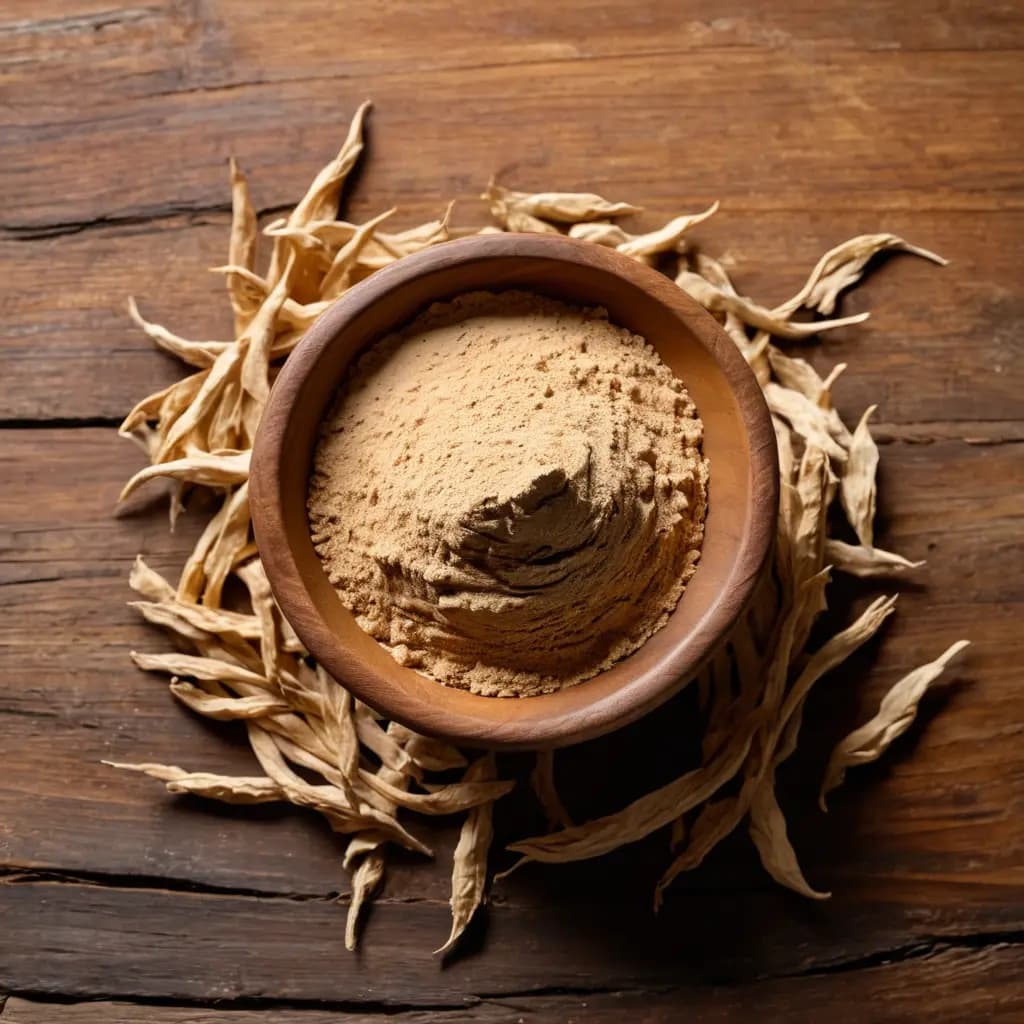
Ashwagandha
Ashwagandha is one of the most important herbs in Ayurvedic medicine, classified as a rasayana (rejuvenative). Modern clinical research confirms its benefits for stress reduction, anxiety, sleep quality, and hormonal health in men.
Key focuses:
 Stress & Sleep
 Mood Support
 Men's Health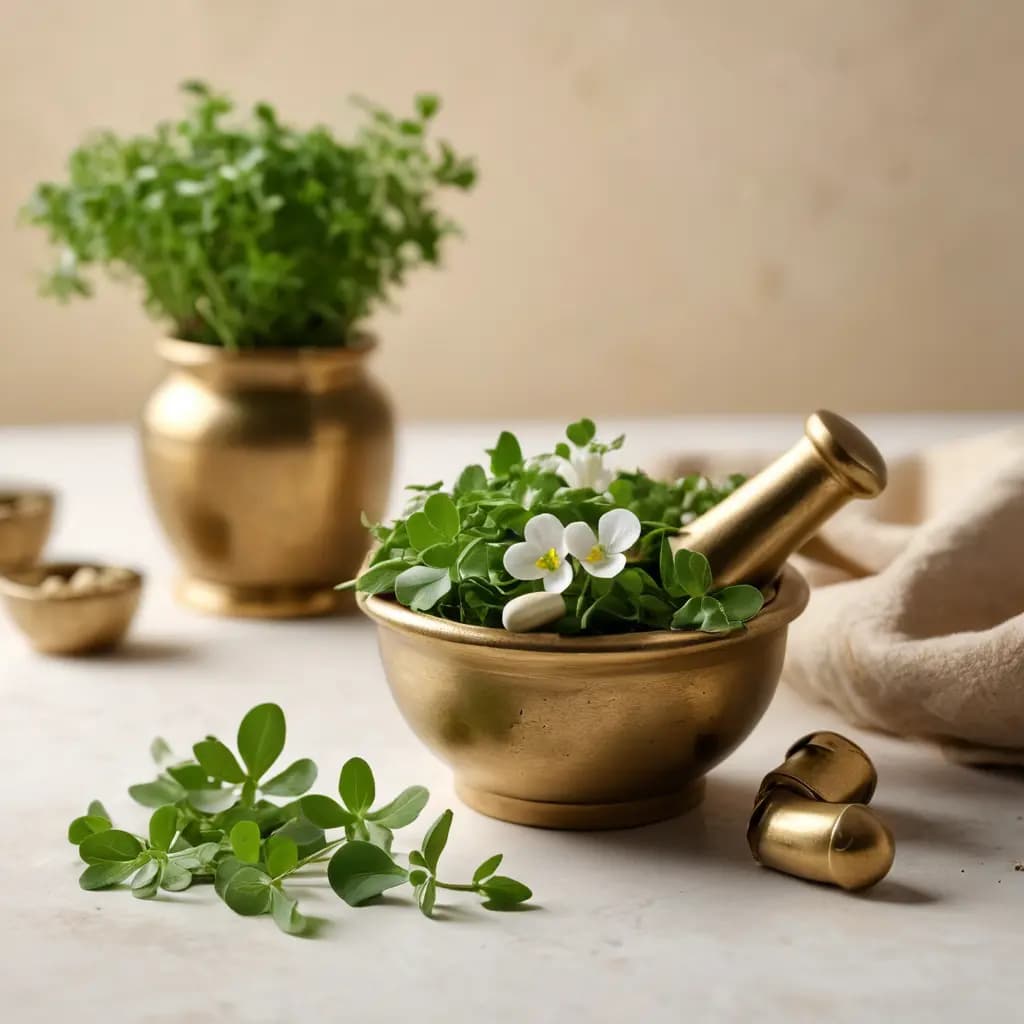
Bacopa monnieri
Bacopa monnieri, also known as Brahmi, is a traditional Ayurvedic herb renowned for its cognitive-enhancing and memory-supporting properties. It is one of the most studied nootropic herbs.
Key focuses:
 Cognitive Function
 Longevity & AgingStress & Sleep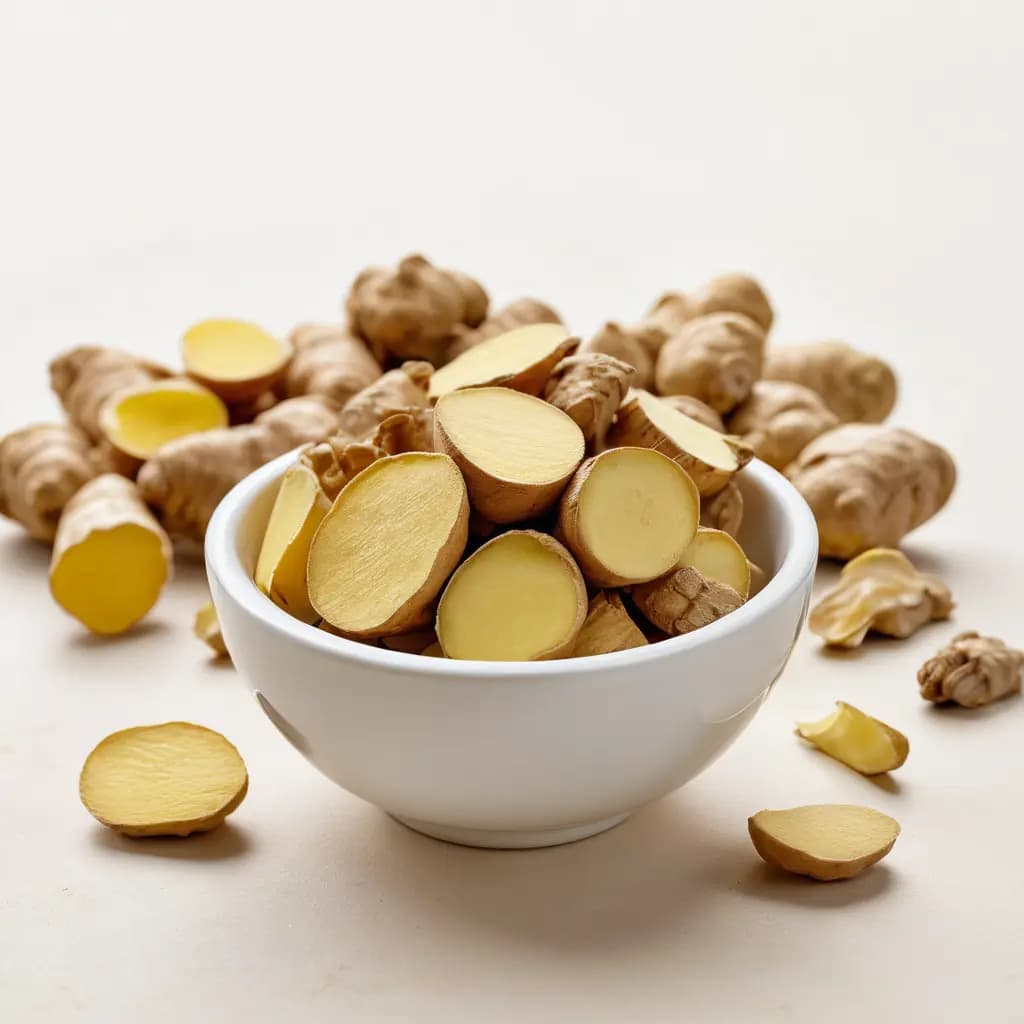
Ginger
Ginger is a flowering plant whose rhizome (root) has been used for millennia as both a culinary spice and traditional medicine. It is particularly effective for nausea, digestive complaints, and inflammation.
Key focuses:
 Gut Health
 Inflammation Response Support
 Women's Health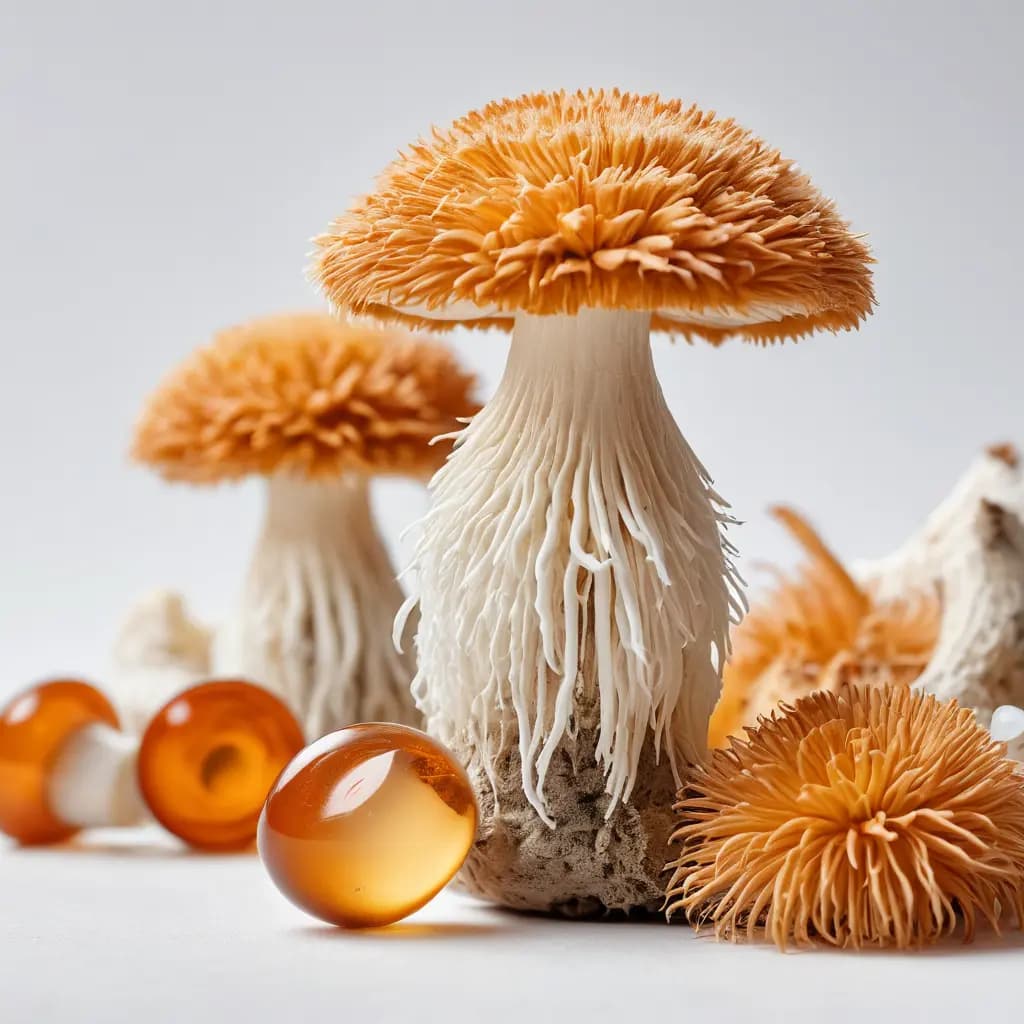
Lion's Mane Mushroom
Lion's Mane is a medicinal mushroom with neuroprotective properties. It contains unique compounds (hericenones and erinacines) that stimulate nerve growth factor (NGF) synthesis, supporting brain health, cognitive function, and nerve regeneration.
Key focuses:
Cognitive FunctionLongevity & AgingMood Support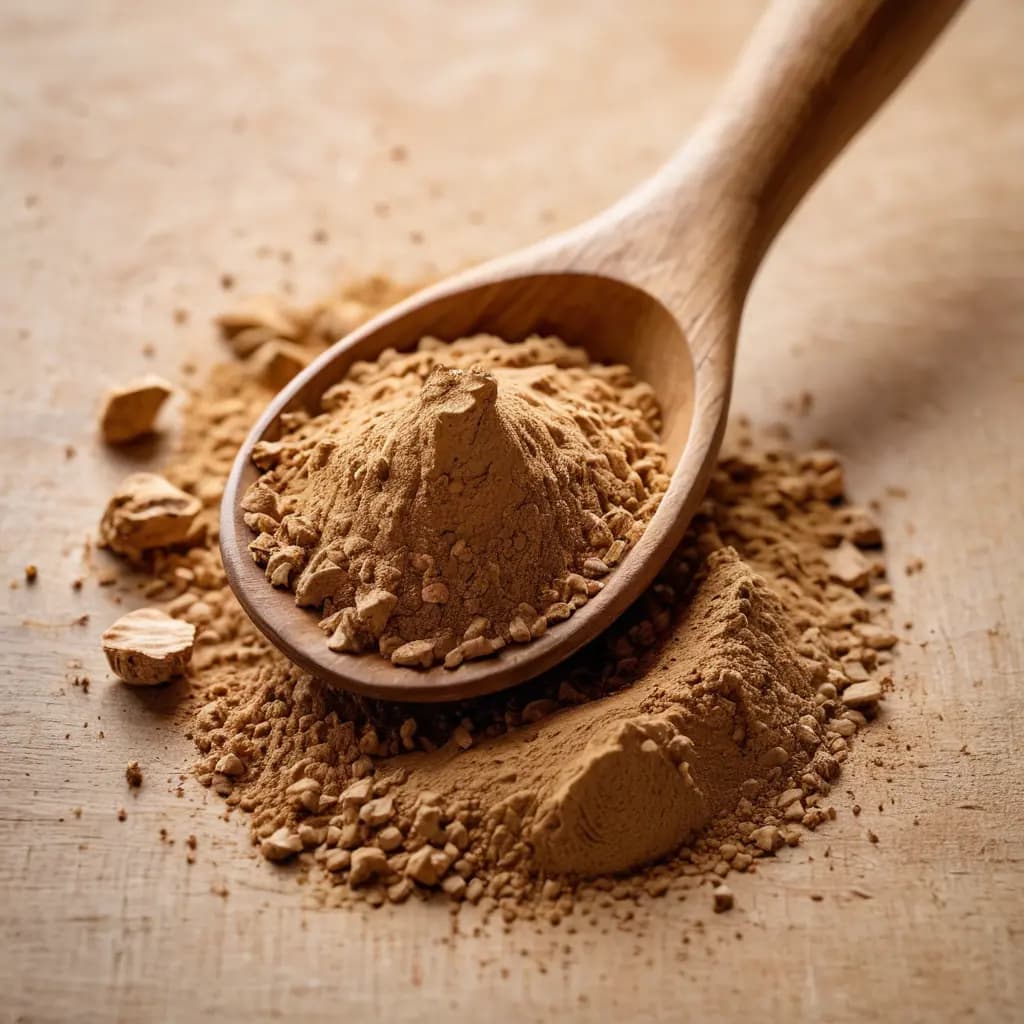
Maca Root
Maca is an adaptogenic root vegetable native to the Peruvian Andes, traditionally used to enhance fertility, energy, and vitality. Modern research supports its use for improving sexual function, reducing menopausal symptoms, and supporting mood and energy.
Key focuses:
Women's HealthMen's HealthMood Support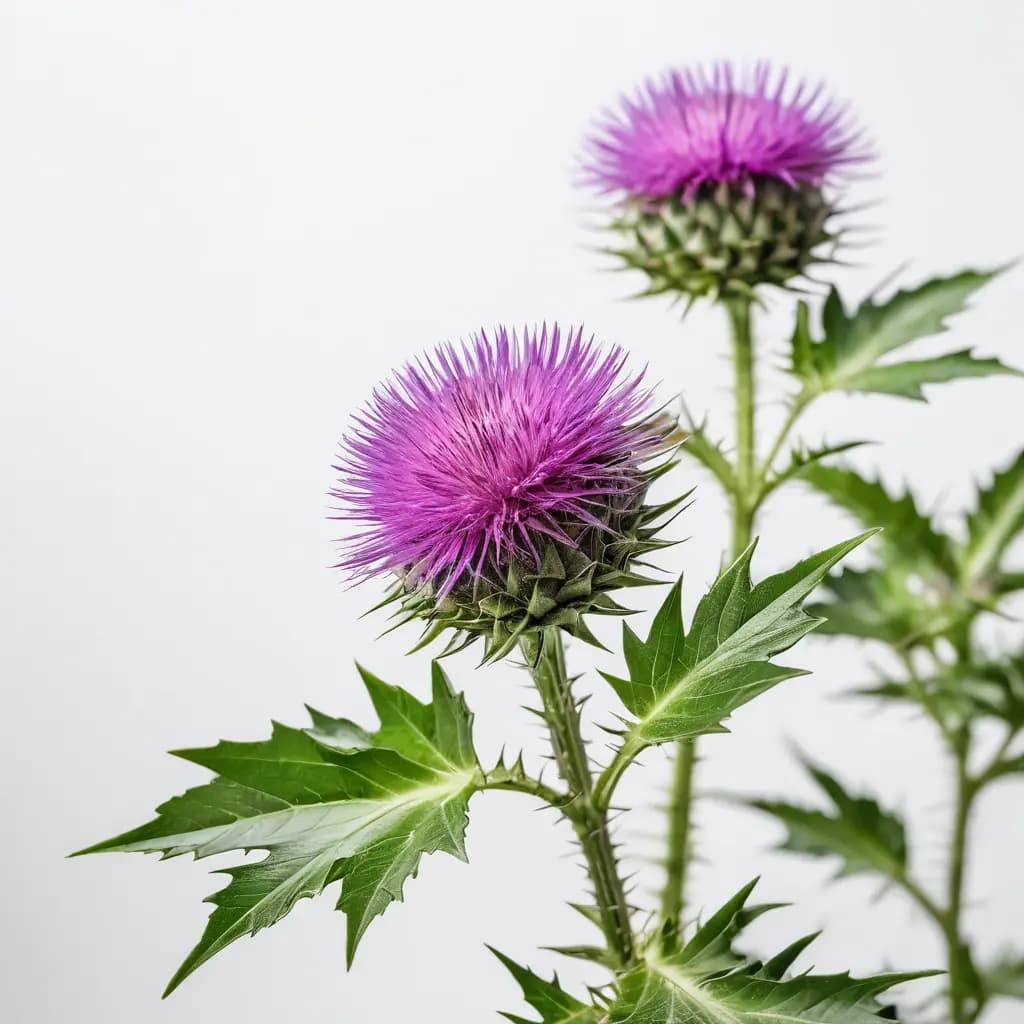
Milk Thistle
Milk thistle is a flowering herb whose active compound silymarin has been used for centuries to support liver health. It provides antioxidant protection, promotes liver cell regeneration, and may help reduce liver enzyme elevations in various liver conditions.
Key focuses:
 Detoxification Support
 Antioxidant SupportDetoxification Support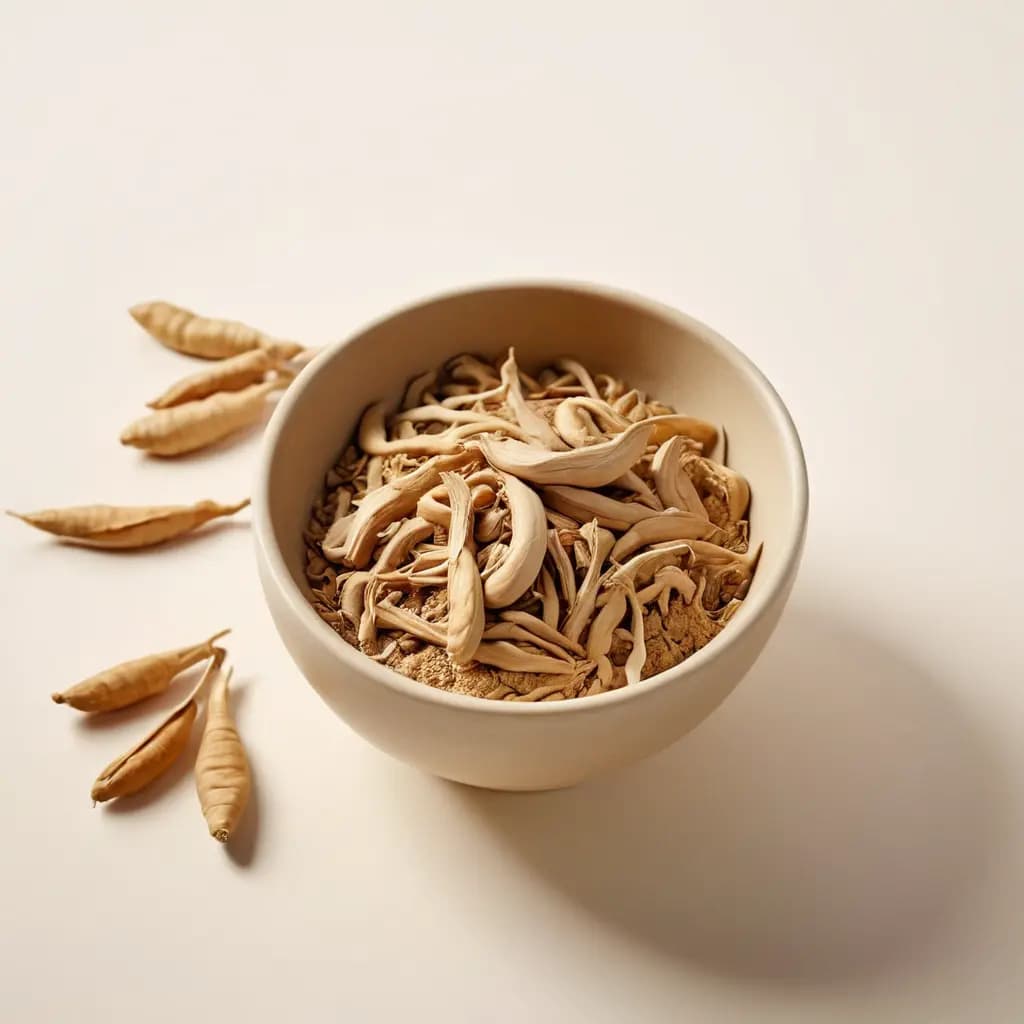
Panax ginseng
Panax ginseng, also known as Korean or Asian ginseng, is one of the most valued medicinal herbs in traditional Chinese medicine. It is used as an adaptogen to improve energy, cognitive function, and overall vitality.
Key focuses:
Cognitive Function Energy & VitalityMen's Health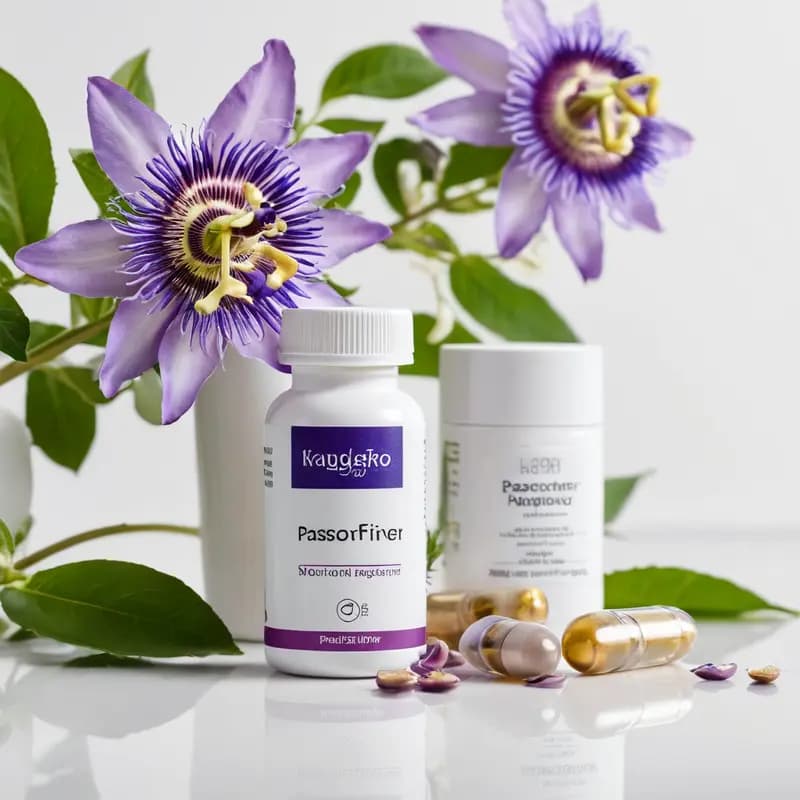
Passionflower
Passionflower is a climbing vine traditionally used for anxiety and insomnia. Modern research shows promise for anxiety relief, with some studies demonstrating effects comparable to prescription anxiolytics. Generally safe with a long history of traditional use.
Key focuses:
Mood SupportStress & Sleep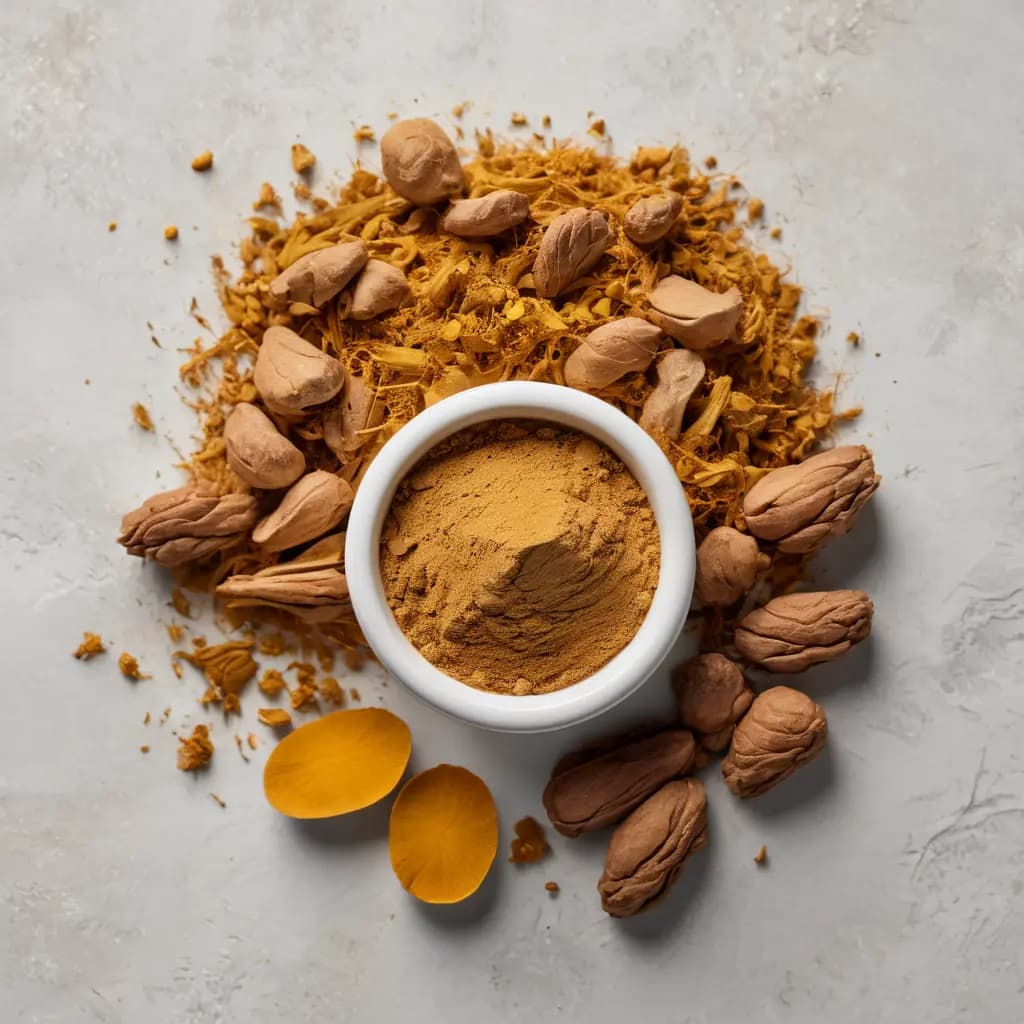
Rhodiola Rosea
Rhodiola rosea is an adaptogenic herb native to Arctic regions, clinically studied for reducing stress-related fatigue, improving mental performance under stress, and supporting mood. The SHR-5 extract has the strongest clinical evidence.
Key focuses:
Stress & SleepMood SupportEnergy & Vitality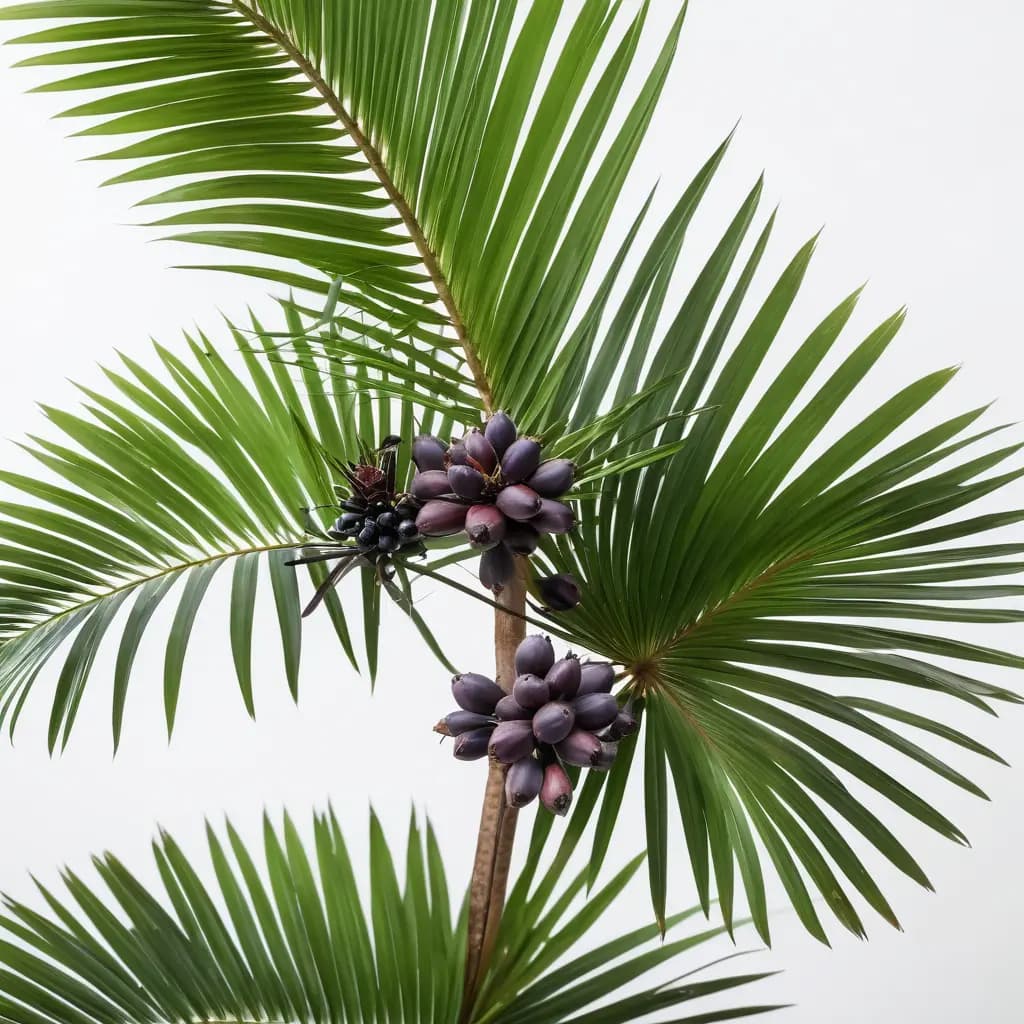
Saw Palmetto
Saw palmetto is a palm plant extract traditionally used to support prostate health and reduce urinary symptoms associated with benign prostatic hyperplasia (BPH). Despite mixed clinical trial results, it remains widely used for men's urinary health.
Key focuses:
Men's HealthInflammation Response SupportInflammation Response Support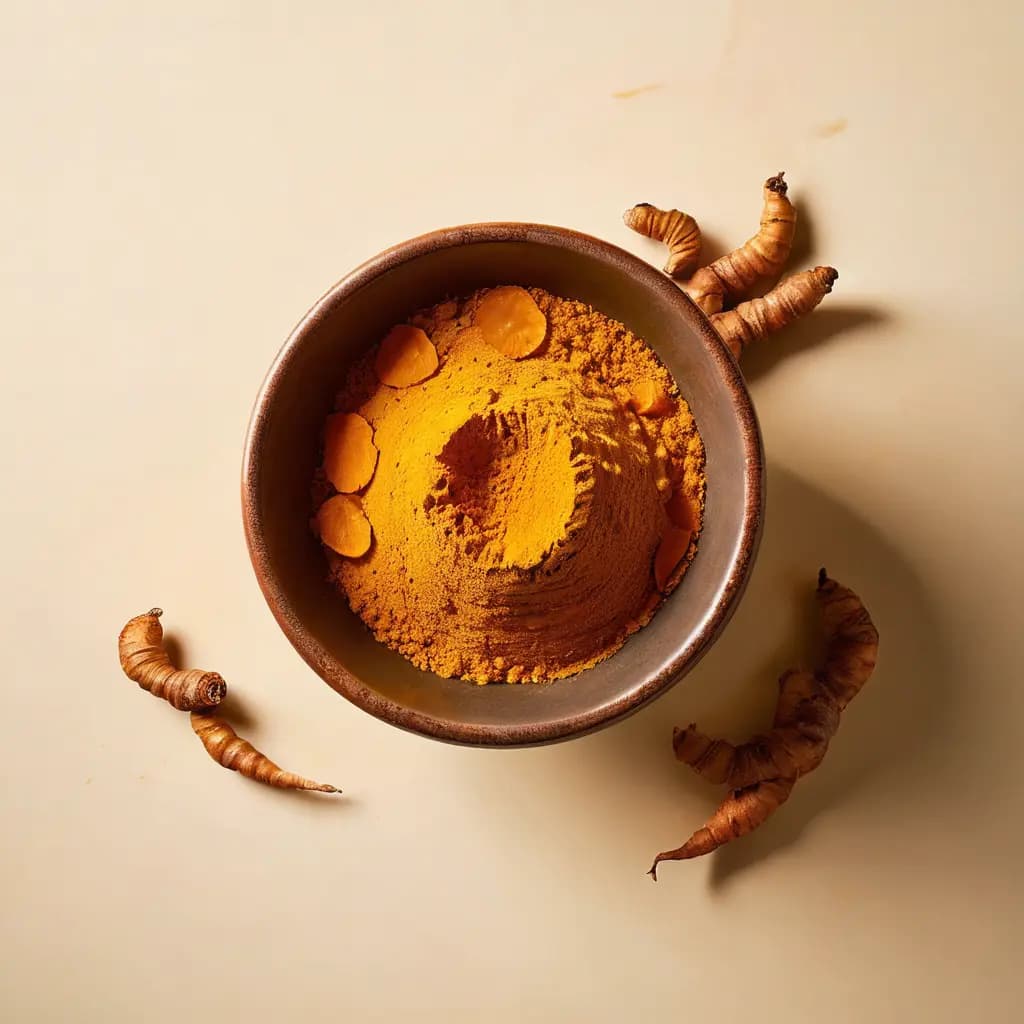
Turmeric (Curcumin)
Turmeric is a spice from the ginger family with potent anti-inflammatory properties due to curcuminoids. Clinical trials demonstrate effectiveness for osteoarthritis pain comparable to NSAIDs, with emerging evidence for metabolic and cardiovascular benefits.
Key focuses:
 Joint & Bone HealthInflammation Response SupportAntioxidant Support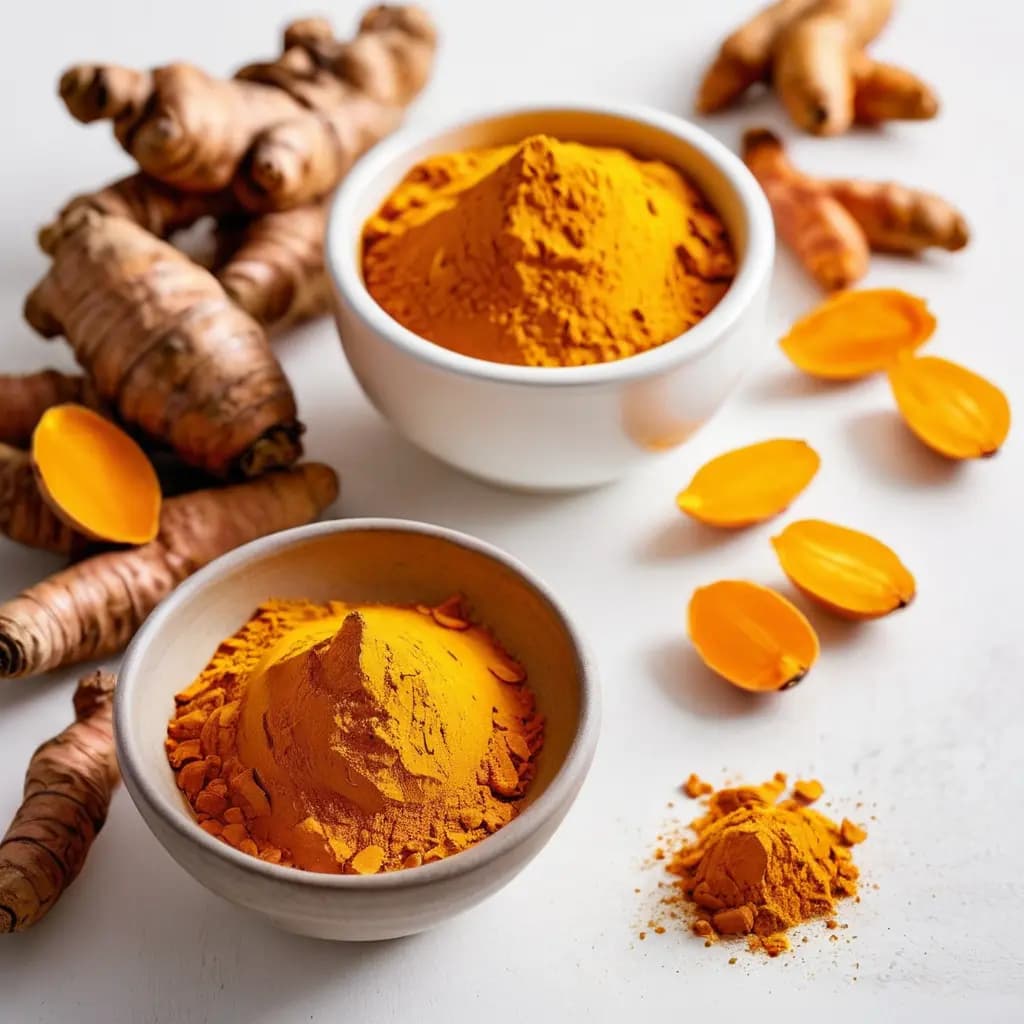
Turmeric
Turmeric is a flowering plant of the ginger family whose rhizomes are used as a spice and traditional medicine. Its active compound curcumin has potent anti-inflammatory and antioxidant properties. Clinical trials show benefit for osteoarthritis, though standard curcumin has poor bioavailability requiring enhanced formulations.
Key focuses:
Inflammation Response SupportJoint & Bone HealthAntioxidant Support