

Minerals
Understanding Minerals: The Body's Essential Building Blocks
Minerals are inorganic elements that originate from the earth and cannot be made by living organisms. Plants obtain minerals from the soil, and most of the minerals in our diets come directly from plants or indirectly from animal sources. Minerals play a crucial role in a vast array of physiological processes necessary for life and optimal health.
They are essential for the proper functioning of our bodies, contributing to bone health, nerve function, enzyme production, fluid balance, energy metabolism, and much more. Even though they are needed in varying amounts—some in larger quantities (macrominerals) and others in trace amounts (trace minerals)—all are vital.
Types of Minerals:
Minerals are generally categorized based on the amount needed by the body:
Macrominerals (Major Minerals): These are required and stored in larger amounts in the body. They include:
- Calcium: Essential for strong bones and teeth, muscle function, nerve transmission, and blood clotting.
- Phosphorus: Works with calcium for bone health, part of DNA and RNA structure, involved in energy storage and use.
- Magnesium: Involved in over 300 enzymatic reactions, including muscle and nerve function, blood glucose control, and blood pressure regulation.
- Sodium: Important for fluid balance, nerve impulses, and muscle contractions.
- Potassium: Crucial for fluid balance, nerve signals, muscle contractions, and maintaining normal blood pressure.
- Chloride: Works with sodium to maintain fluid balance, essential for stomach acid production.
- Sulfur: Found in some amino acids and vitamins, important for protein structure and detoxification pathways.
Trace Minerals (Microminerals): These are needed in smaller amounts, but are equally important for health. They include:
- Iron: Essential for creating hemoglobin (which carries oxygen in the blood) and myoglobin (which carries oxygen in muscles), and for energy metabolism.
- Zinc: Important for immune function, wound healing, DNA synthesis, cell division, and sense of taste and smell.
- Copper: Involved in iron metabolism, energy production, and the formation of connective tissue and neurotransmitters.
- Manganese: Plays a role in bone formation, metabolism of amino acids, cholesterol, glucose, and carbohydrates.
- Iodine: Critical for the production of thyroid hormones, which regulate metabolism.
- Selenium: Acts as a powerful antioxidant, important for thyroid function and protecting against oxidative damage.
- Chromium: Enhances the action of insulin and is involved in carbohydrate, fat, and protein metabolism.
- Molybdenum: Acts as a cofactor for several enzymes involved in metabolizing sulfur-containing amino acids and other compounds.
- Fluoride: Promotes bone and dental health by strengthening tooth enamel.
Importance of Mineral Balance:
Maintaining a proper balance of minerals is crucial, as they often work synergistically. An excess or deficiency of one mineral can impact the absorption or function of others. A varied and balanced diet is typically the best way to ensure adequate intake of all essential minerals. However, in certain situations such as specific dietary restrictions, increased physiological needs, or diagnosed deficiencies, supplementation may be considered under the guidance of a healthcare professional.
This section provides detailed information on individual minerals. Browse through the supplements listed below to learn more.

Boron
Boron is a trace mineral that supports bone health by enhancing calcium and magnesium retention and vitamin D metabolism. It also influences sex hormone metabolism and may reduce inflammation, benefiting joint and bone health.
Key focuses:
 Joint & Bone Health
 Inflammation Response Support
 Women's Health
Calcium
Calcium is an essential mineral required for strong bones and teeth, muscle contraction, nerve signaling, and blood clotting. It is obtained through dietary sources and supplements, and adequate intake is vital for skeletal integrity throughout life.
Key focuses:
Joint & Bone Health Athletic Support
 Longevity & Aging
Chromium
Chromium is an essential trace mineral that enhances insulin sensitivity and plays a role in carbohydrate, fat, and protein metabolism. Most commonly supplemented as chromium picolinate.
Key focuses:
 Metabolic Health
 Cardiovascular Health
 Mood Support
Copper
Copper is an essential trace mineral required for iron metabolism, connective tissue formation, and energy production. Deficiency causes anemia and neurologic problems.
Key focuses:
 Immunity Support
 Energy & Vitality
 Skin, Hair & Nails
Iodine
Iodine is an essential trace mineral required for thyroid hormone synthesis. Deficiency causes goiter, hypothyroidism, and intellectual disability in infants. Iodized salt has nearly eliminated deficiency in many regions.
Key focuses:
Metabolic HealthWomen's Health Cognitive Function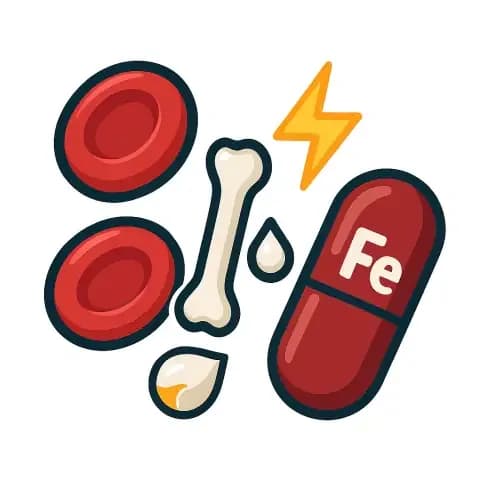
Iron
Iron is an essential mineral critical for the production of hemoglobin, the protein in red blood cells that carries oxygen throughout the body. It plays a vital role in energy metabolism, immune function, and cognitive development. Iron deficiency is one of the most common nutritional deficiencies worldwide, particularly affecting women of childbearing age.
Key focuses:
Women's HealthEnergy & VitalityCognitive Function
Magnesium Glycinate
Magnesium glycinate is a highly bioavailable, well-tolerated form of magnesium that supports sleep quality, anxiety reduction, muscle relaxation, and over 300 enzymatic reactions in the body. The glycine component adds calming properties.
Key focuses:
 Stress & SleepJoint & Bone HealthCardiovascular Health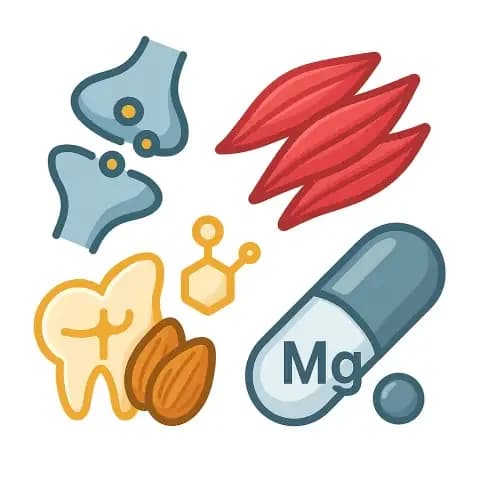
Magnesium
Magnesium is an essential mineral involved in over 300 biochemical reactions in the body. It supports muscle and nerve function, regulates blood pressure, aids in protein synthesis, and promotes restful sleep. Modern diets often lack adequate magnesium, making supplementation valuable for many individuals.
Key focuses:
Stress & SleepAthletic SupportEnergy & Vitality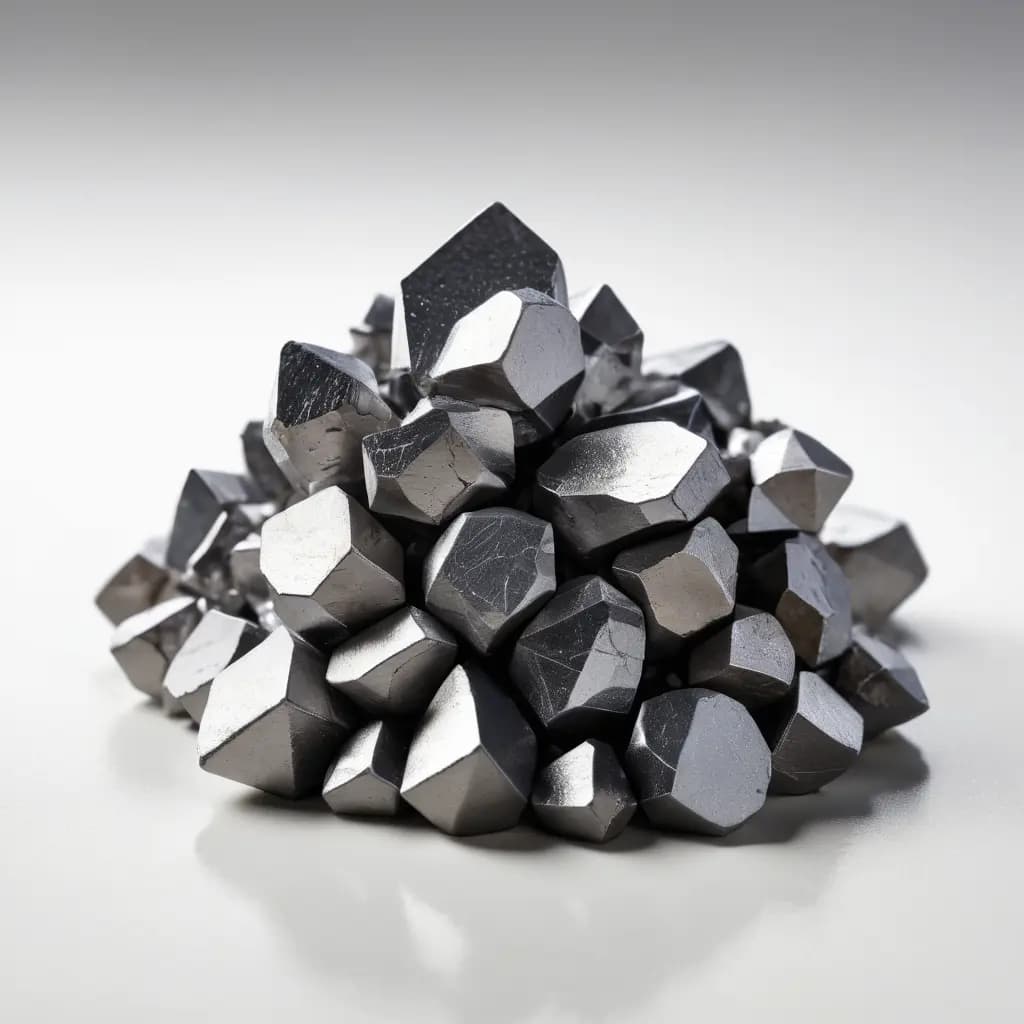
Manganese
Manganese is an essential trace mineral that serves as a cofactor for several important enzymes involved in bone formation, antioxidant defense, and metabolism. It is required for normal growth and development but is needed only in small amounts.
Key focuses:
Joint & Bone Health Antioxidant SupportMetabolic Health
Molybdenum
Molybdenum is an essential trace mineral that serves as a cofactor for four important enzymes involved in amino acid metabolism and detoxification. Deficiency is extremely rare; most people get adequate amounts from diet.
Key focuses:
 Detoxification SupportMetabolic Health
Potassium
Potassium is an essential mineral and electrolyte critical for heart function, muscle contraction, nerve transmission, and blood pressure regulation. Most people do not consume adequate amounts.
Key focuses:
Cardiovascular HealthCardiovascular HealthAthletic Support
Selenium
Selenium is an essential trace mineral that functions as an antioxidant and is critical for thyroid hormone metabolism, DNA synthesis, and reproduction.
Key focuses:
Metabolic HealthAntioxidant SupportImmunity Support