
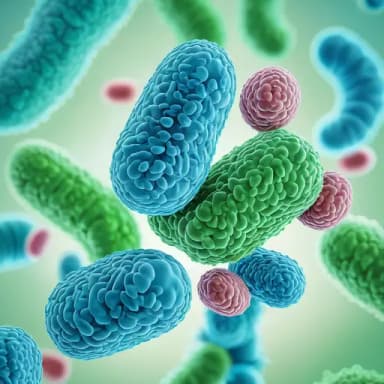
Lactobacillus acidophilus
Lactobacillus acidophilus
Also known as: L. acidophilus, LA
Lactobacillus acidophilus is a probiotic bacterium commonly used to support digestive health, enhance immune function, and maintain balanced intestinal flora.
Introduction
Lactobacillus acidophilus is a Gram-positive, rod-shaped bacterium belonging to the Lactobacillus genus. It naturally inhabits the human gastrointestinal tract and is widely utilized as a probiotic supplement to improve digestive health, modulate immune responses, and confer protection against pathogenic microbes. First isolated in the early 20th century, L. acidophilus has been extensively studied for its role in maintaining intestinal homeostasis, producing lactic acid to lower gut pH, and competing with harmful bacteria. Clinical trials have demonstrated its efficacy in reducing the incidence and duration of antibiotic-associated diarrhea, irritable bowel syndrome symptoms, and urogenital infections. As a component of fermented foods like yogurt and kefir, L. acidophilus contributes to the beneficial effects of probiotics on gut microbiota diversity and barrier integrity. Though generally recognized as safe, individuals who are immunocompromised or have severe illnesses should consult a healthcare professional before use.
Main Benefits
Supports digestive health by promoting a balanced gut microbiota and enhancing intestinal barrier function.
May reduce the incidence and duration of antibiotic-associated diarrhea by restoring beneficial bacterial populations.
Helps modulate immune responses by interacting with gut-associated lymphoid tissue, potentially improving defense against pathogens.
Can alleviate symptoms of irritable bowel syndrome, such as bloating and abdominal discomfort, through anti-inflammatory effects.
Mechanism of Action
Lactobacillus acidophilus exerts its effects by producing lactic acid and other metabolites that lower intestinal pH, inhibiting pathogenic bacteria growth. It adheres to gut epithelial cells, enhances tight junction integrity, and competes for adhesion sites. Additionally, L. acidophilus interacts with gut-associated lymphoid tissue, stimulating regulatory T cells and modulating cytokine production to support balanced immune responses. These combined actions contribute to improved gut barrier function and reduced inflammation.
Natural Sources
Lactobacillus acidophilus is naturally found in fermented dairy products and in the human gastrointestinal tract. Common dietary sources include yogurt, kefir, and fermented cheeses, where live cultures provide beneficial probiotic effects.
Examples:
Yogurt
Kefir
Sauerkraut
Kimchi
Fermented cheeses
Fermented foods contain varying concentrations of L. acidophilus; consistent daily intake may require supplementation to achieve therapeutic doses.
Recommended Daily Intake
There is no established Recommended Daily Intake for probiotics, including Lactobacillus acidophilus. Dosages vary by formulation and intended use.
Sources for RDI/AI:
Dosage recommendations differ across products. Consult a healthcare provider for personalized guidance.
Effectiveness for Specific Focuses
Strong clinical evidence supports efficacy in promoting gut microbiota balance and reducing gastrointestinal disorders.
Evidence indicates modulation of immune function through interaction with gut-associated lymphoid tissue.
Safety Information
Potential Side Effects
Bloating
Gas
Mild abdominal discomfort
Contraindications
Immunocompromised individuals should consult a physician before use
Overdose Information
Generally recognized as safe; excessive intake may cause mild gastrointestinal disturbances.
Overdose symptoms are limited to bloating, gas, and potential diarrhea at very high doses.
Documented Overdose Symptoms:
Bloating
Gas
Diarrhea
Specific toxicity thresholds not established; L. acidophilus is generally safe at typical supplement doses.
Interactions
Drug Interactions:
May reduce efficacy of antibiotics if taken simultaneously; separate dosing by at least 2 hours
Minimal risk; separate administration reduces interaction potential.
Other Supplement Interactions:
Concurrent use with other probiotics generally considered safe but may increase gas production
Low risk; interactions are typically minor and transient.
Individuals with severe illnesses or compromised immune systems should consult a healthcare professional prior to use.
Forms and Bioavailability
Lactobacillus acidophilus is available in various forms, including capsules, powders, and as live cultures in fermented foods. Formulation affects viability and shelf stability.
Capsule
Contains freeze-dried live cultures; exhibits high viability when stored refrigerated.
Freeze-dried formulations maintain viability; refrigeration enhances stability.
Store in a cool, dry place; refrigeration recommended.
Powder
Mixed into foods or beverages; viability depends on moisture and storage conditions.
Exposure to moisture may reduce live culture counts over time.
Use within expiration date; keep sealed.
Fermented Food
Naturally occurring live cultures in yogurt and kefir; concentration varies by product.
Live culture levels may be inconsistent across brands and batches.
Check labels for CFU counts.
Warnings & Suitability
Did You Know...?
Lactobacillus acidophilus was first isolated in 1900 by Ernst Moro.
These bacteria can produce hydrogen peroxide, which inhibits pathogenic microbes.
General Scientific Sources
Tags
Content Verification
Last Medical Review: {{TO_BE_FILLED_BY_SYSTEM}}
Reviewed by: Editorial Team