
Joint & Bone Health
This focus area supports Joint & Bone Health goals by highlighting nutrition, lifestyle, and supplement strategies that may help.
Explore the core themes below and review related supplements for deeper guidance.
Key themes
- Joint mobility and cartilage
- Bone density support
- Inflammation management
How supplements fit in
Supplements are one part of the plan. Review the list below and check evidence, dosing, and safety notes.
Boron
Boron is a trace mineral that supports bone health by enhancing calcium and magnesium retention and vitamin D metabolism. It also influences sex hormone metabolism and may reduce inflammation, benefiting joint and bone health.
Key focuses:
 Joint & Bone Health
 Inflammation Response Support
 Women's Health
Calcium
Calcium is an essential mineral required for strong bones and teeth, muscle contraction, nerve signaling, and blood clotting. It is obtained through dietary sources and supplements, and adequate intake is vital for skeletal integrity throughout life.
Key focuses:
Joint & Bone Health Athletic Support
 Longevity & Aging
Collagen
Collagen is the most abundant protein in the human body, providing structural support to skin, bones, tendons, and cartilage. Supplementation may improve skin hydration, elasticity, and joint comfort.
Key focuses:
 Skin, Hair & NailsJoint & Bone HealthLongevity & Aging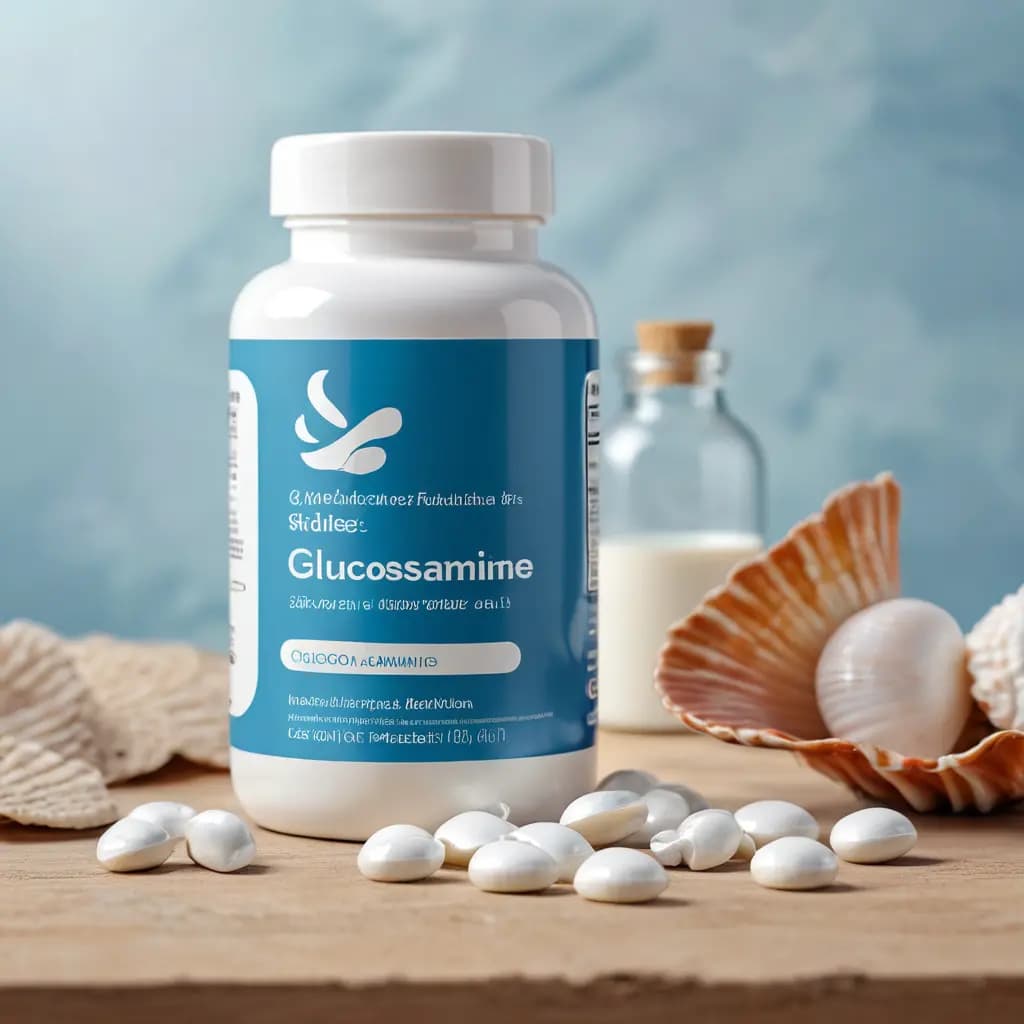
Glucosamine
Glucosamine is a natural compound found in cartilage and is a building block for glycosaminoglycans. It is widely used for osteoarthritis and joint health, though clinical evidence is mixed.
Key focuses:
Joint & Bone HealthLongevity & Aging Cardiovascular Health
Hyaluronic Acid
Hyaluronic acid is a naturally occurring glycosaminoglycan that provides lubrication and cushioning in joints and hydration in skin. Oral supplementation shows promise for joint health and skin moisture, though bioavailability is limited compared to injectable forms.
Key focuses:
Joint & Bone HealthSkin, Hair & NailsInflammation Response Support
Magnesium Glycinate
Magnesium glycinate is a highly bioavailable, well-tolerated form of magnesium that supports sleep quality, anxiety reduction, muscle relaxation, and over 300 enzymatic reactions in the body. The glycine component adds calming properties.
Key focuses:
 Stress & SleepJoint & Bone HealthCardiovascular Health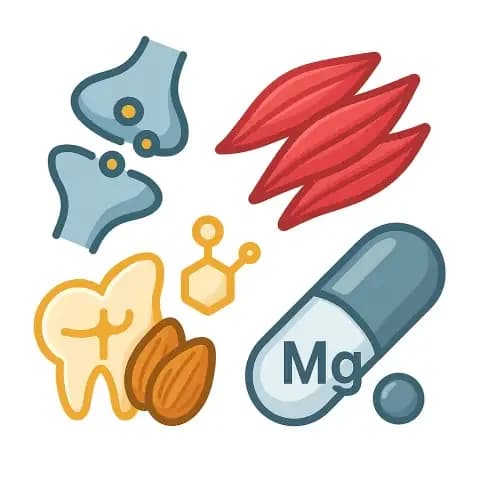
Magnesium
Magnesium is an essential mineral involved in over 300 biochemical reactions in the body. It supports muscle and nerve function, regulates blood pressure, aids in protein synthesis, and promotes restful sleep. Modern diets often lack adequate magnesium, making supplementation valuable for many individuals.
Key focuses:
Stress & SleepAthletic Support Energy & Vitality
Manganese
Manganese is an essential trace mineral that serves as a cofactor for several important enzymes involved in bone formation, antioxidant defense, and metabolism. It is required for normal growth and development but is needed only in small amounts.
Key focuses:
Joint & Bone Health Antioxidant Support
 Metabolic Health
Omega-3 Fatty Acids
Omega-3 fatty acids are essential polyunsaturated fats critical for cardiovascular health, brain function, and reducing inflammation. The two primary types, EPA and DHA, are found in fatty fish and seafood, while ALA is found in plant sources. Most people do not consume adequate amounts through diet alone.
Key focuses:
Cardiovascular HealthInflammation Response Support Cognitive Function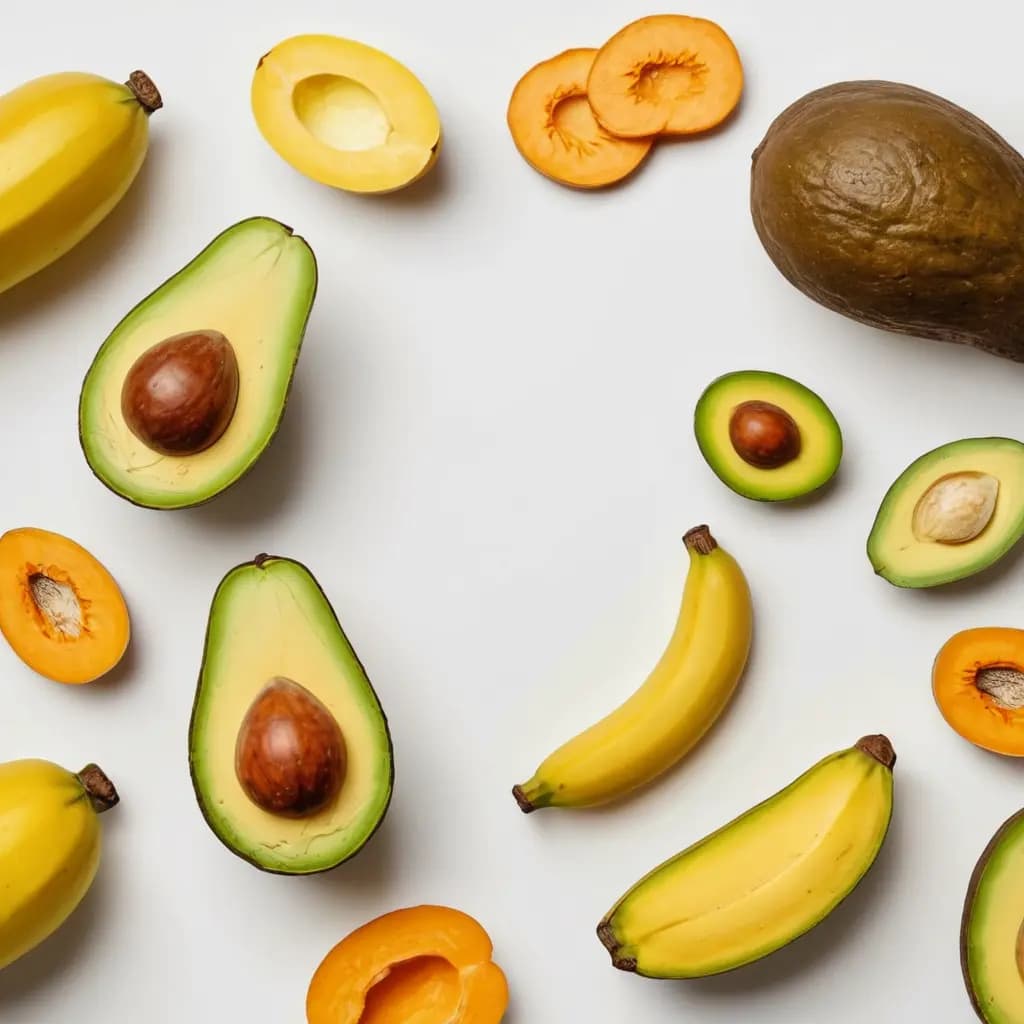
Potassium
Potassium is an essential mineral and electrolyte critical for heart function, muscle contraction, nerve transmission, and blood pressure regulation. Most people do not consume adequate amounts.
Key focuses:
Cardiovascular HealthCardiovascular HealthAthletic Support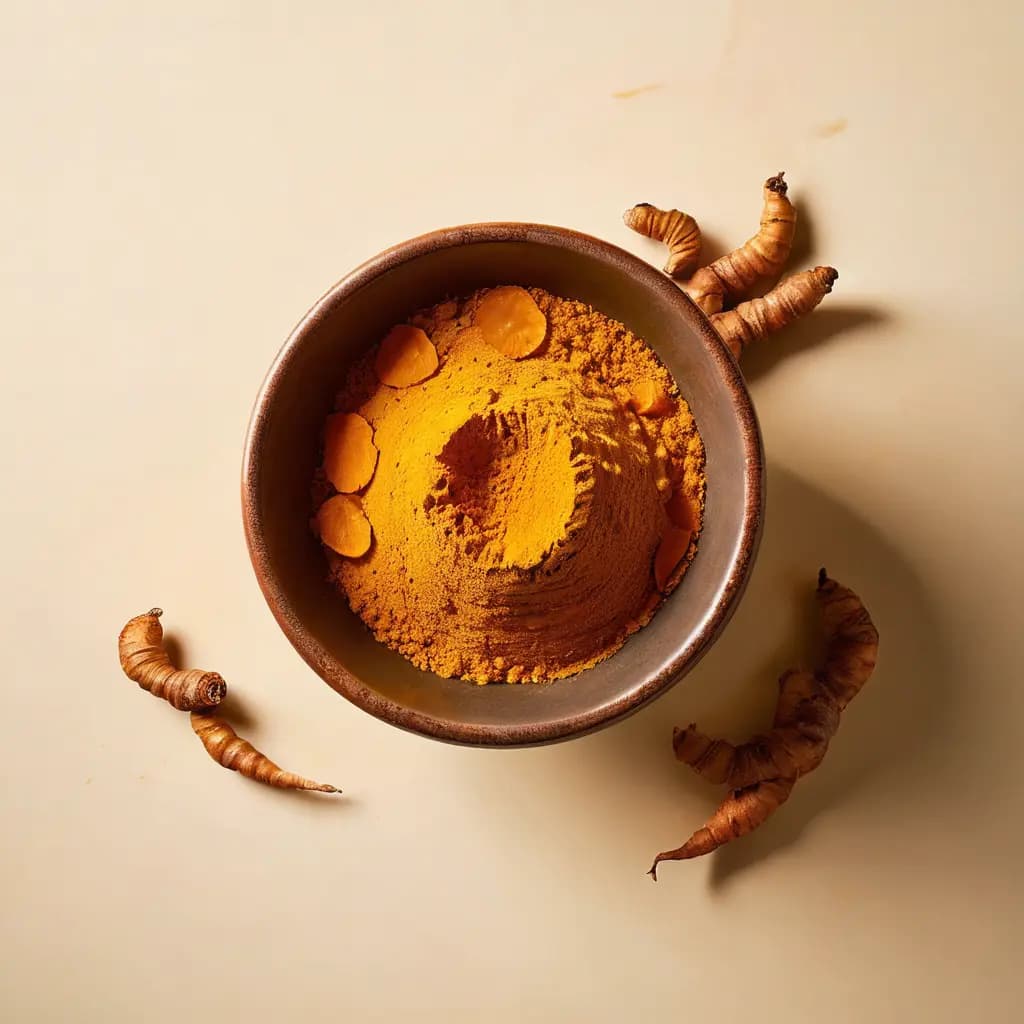
Turmeric (Curcumin)
Turmeric is a spice from the ginger family with potent anti-inflammatory properties due to curcuminoids. Clinical trials demonstrate effectiveness for osteoarthritis pain comparable to NSAIDs, with emerging evidence for metabolic and cardiovascular benefits.
Key focuses:
Joint & Bone HealthInflammation Response SupportAntioxidant Support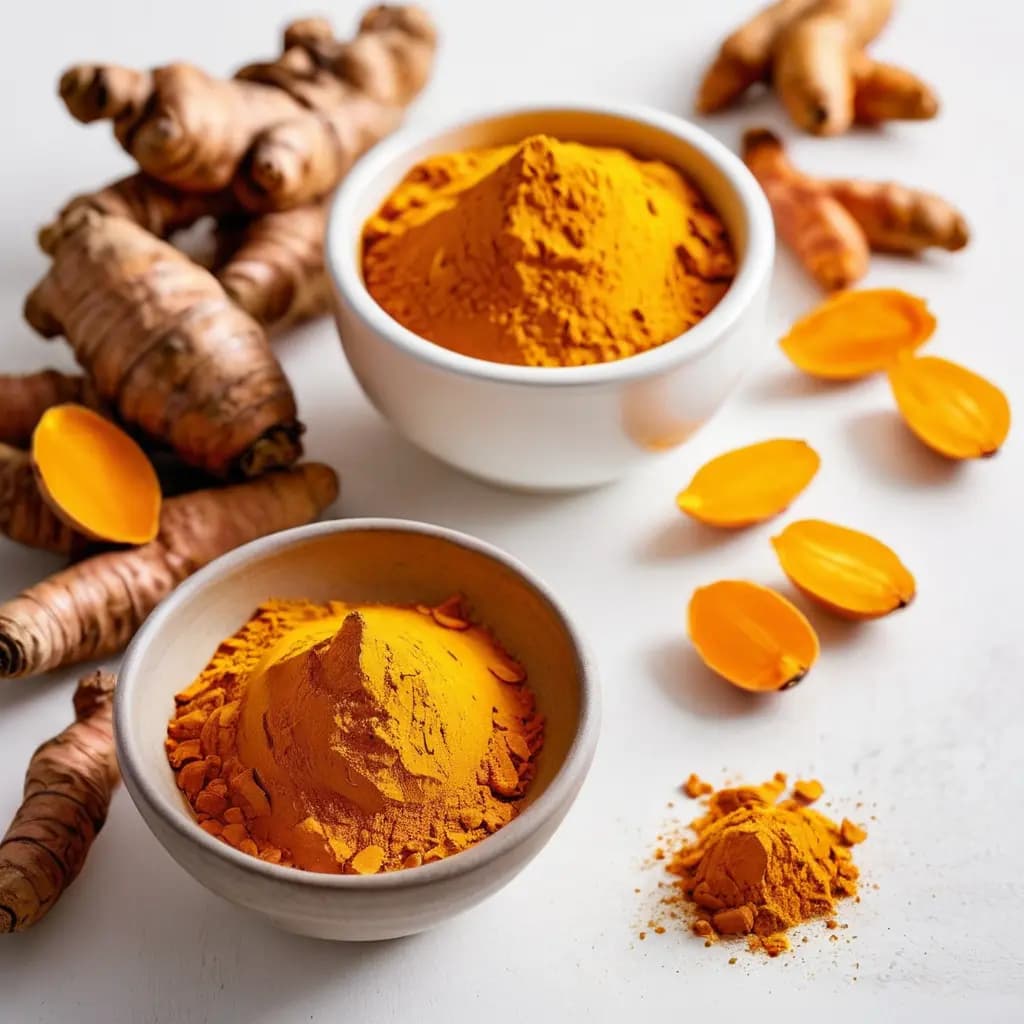
Turmeric
Turmeric is a flowering plant of the ginger family whose rhizomes are used as a spice and traditional medicine. Its active compound curcumin has potent anti-inflammatory and antioxidant properties. Clinical trials show benefit for osteoarthritis, though standard curcumin has poor bioavailability requiring enhanced formulations.
Key focuses:
Inflammation Response SupportJoint & Bone HealthAntioxidant Support