
Medical Disclaimer: This information is for educational purposes only and is not intended as medical advice. Always consult a qualified healthcare provider before starting any supplement, especially if you have a health condition or take medications.
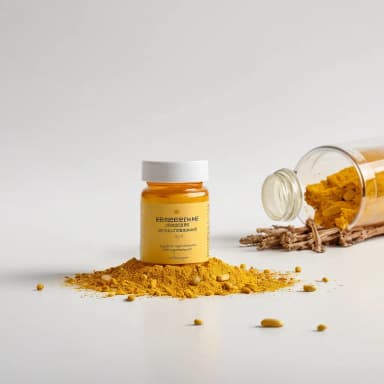
Berberine
Berberine (C20H18NO4+)
Also known as: Berberine hydrochloride, Berberine sulfate, Natural metformin, Huang Lian Su, Umbellatine
Berberine is a bioactive plant alkaloid with potent metabolic effects. Clinical studies demonstrate its ability to reduce blood glucose, improve insulin sensitivity, and lower cholesterol through AMPK activation, often called "natural metformin."
Introduction
Berberine is an isoquinoline alkaloid found in various plants including goldenseal (Hydrastis canadensis), barberry (Berberis vulgaris), Oregon grape (Berberis aquifolium), and Chinese goldthread (Coptis chinensis). It has been used for thousands of years in Traditional Chinese Medicine and Ayurvedic medicine, primarily for treating gastrointestinal infections and digestive disorders.
Modern research has revealed berberine's remarkable metabolic effects, earning it the nickname "natural metformin." Multiple randomized controlled trials have demonstrated that berberine can significantly reduce fasting blood glucose, postprandial glucose, and HbA1c in type 2 diabetes patients, with efficacy comparable to the pharmaceutical drug metformin in some studies.
The primary mechanism involves activation of AMP-activated protein kinase (AMPK), a cellular energy sensor that regulates glucose and lipid metabolism. AMPK activation improves insulin sensitivity, enhances glucose uptake in cells, reduces glucose production in the liver, and promotes fatty acid oxidation. This mechanism is shared with metformin, though berberine achieves it through different molecular pathways.
Beyond glucose control, berberine demonstrates impressive lipid-lowering effects. Meta-analyses show significant reductions in total cholesterol, LDL cholesterol, and triglycerides, with modest increases in HDL cholesterol. These effects occur through multiple mechanisms including inhibition of PCSK9, upregulation of LDL receptors, and improved bile acid metabolism.
Berberine also shows promise for cardiovascular health, weight management in obesity, polycystic ovary syndrome (PCOS), and non-alcoholic fatty liver disease (NAFLD). Its anti-inflammatory and antioxidant properties contribute to these benefits.
However, berberine has significant limitations. Oral bioavailability is very low (approximately 5%) due to poor intestinal absorption and extensive first-pass metabolism. It is also a potent inhibitor of various cytochrome P450 enzymes (CYP3A4, CYP2D6, CYP2C9) and P-glycoprotein, creating substantial potential for drug interactions. Gastrointestinal side effects are common, particularly at higher doses.
Despite these limitations, berberine represents one of the most evidence-backed natural compounds for metabolic health, with a growing body of clinical research supporting its use as an adjunct therapy for type 2 diabetes and dyslipidemia.
Main Benefits
Reduces blood glucose and HbA1c in type 2 diabetes; clinical trials show efficacy comparable to metformin for glycemic control.
Improves lipid profile by reducing total cholesterol, LDL cholesterol, and triglycerides; increases HDL cholesterol.
Activates AMPK pathway, improving insulin sensitivity and cellular glucose uptake while reducing hepatic glucose production.
May support weight loss and reduce waist circumference in overweight and obese individuals.
Shows benefits for metabolic syndrome components including blood pressure, inflammation, and insulin resistance.
May improve cardiovascular health markers through lipid lowering, anti-inflammatory effects, and endothelial function improvement.
Mechanism of Action
Berberine exerts its metabolic effects through multiple molecular pathways, with AMPK activation being the primary mechanism:
AMPK Activation: Berberine activates AMP-activated protein kinase (AMPK), a master regulator of cellular energy metabolism. AMPK is activated when cellular energy is low (high AMP:ATP ratio). Once activated, AMPK stimulates glucose uptake in muscle cells, reduces glucose production in the liver (gluconeogenesis), enhances fatty acid oxidation, and improves insulin sensitivity. This mechanism is shared with the pharmaceutical drug metformin, though berberine activates AMPK through inhibition of mitochondrial complex I rather than via AMP accumulation.
Insulin Sensitization: Through AMPK activation and other pathways, berberine improves insulin receptor expression and signaling. It upregulates insulin receptor substrate-1 (IRS-1) and enhances GLUT4 glucose transporter translocation to cell membranes, facilitating glucose uptake into cells independent of insulin signaling.
Lipid Metabolism: Berberine lowers cholesterol through multiple mechanisms. It inhibits PCSK9, a protein that degrades LDL receptors, thereby increasing LDL receptor availability on liver cells and enhancing cholesterol clearance. It also activates AMPK in the liver, inhibiting lipogenesis (fat creation) and promoting fatty acid oxidation. Additionally, berberine modulates bile acid metabolism and reduces intestinal cholesterol absorption.
Gut Microbiome Modulation: Berberine has poor oral bioavailability but exerts significant effects on gut microbiota. It enriches beneficial bacteria (Akkermansia, Bifidobacterium) while reducing pathogenic species. These microbiome changes contribute to improved glucose metabolism and reduced intestinal inflammation.
Anti-inflammatory Effects: Berberine inhibits NF-κB activation and reduces pro-inflammatory cytokines (TNF-α, IL-6, IL-1β). This anti-inflammatory action improves insulin signaling and reduces metabolic endotoxemia associated with obesity and diabetes.
Mitochondrial Function: Berberine mildly inhibits mitochondrial complex I, which paradoxically activates AMPK and increases mitochondrial biogenesis through PGC-1α upregulation, improving cellular energy metabolism.
Hepatic Gluconeogenesis: Berberine reduces liver glucose production by inhibiting key gluconeogenic enzymes (phosphoenolpyruvate carboxykinase, glucose-6-phosphatase) through AMPK-dependent and independent mechanisms.
Natural Sources
Berberine is found in several plant species including barberry (Berberis species), goldenseal (Hydrastis canadensis), Oregon grape (Berberis aquifolium), Chinese goldthread (Coptis chinensis), and tree turmeric (Berberis aristata). These plants have been used traditionally in various herbal medicine systems.
Examples:
Barberry root and bark
Goldenseal root
Oregon grape root
Chinese goldthread (Coptis chinensis)
Tree turmeric (Berberis aristata)
Phellodendron bark
While source plants are available, therapeutic doses require concentrated extracts; raw plant material does not provide consistent berberine content needed for metabolic effects.
Recommended Daily Intake
No established RDA. Clinical trials typically use 500-1,500 mg daily, divided into 2-3 doses to improve tolerability and maintain stable blood levels. The standard protocol is 500 mg taken 2-3 times daily with meals. Effects on glucose and lipids typically appear within 4-8 weeks.
Effectiveness for Specific Focuses
Primary use and strongest evidence; comparable to pharmaceutical metformin for glucose control; improves insulin sensitivity; lipid-lowering effects.
Significant cholesterol and triglyceride reduction; anti-inflammatory effects; improves endothelial function; metabolic syndrome benefits.
AMPK activation mimics caloric restriction; metabolic benefits may support healthy aging; limited direct longevity evidence in humans.
Anti-inflammatory effects via NF-κB inhibition; reduces inflammatory cytokines; improves metabolic endotoxemia.
Modulates gut microbiome favorably; antimicrobial against pathogenic bacteria; traditional use for digestive disorders.
Safety Information
Potential Side Effects
Gastrointestinal upset (cramping, diarrhea, constipation, nausea)
Abdominal pain
Flatulence
Headache
Skin rash (rare)
Hypomenorrhea (rare)
Contraindications
Pregnancy (may cause uterine contractions and kernicterus risk)
Breastfeeding (safety not established)
Neonates and infants (risk of kernicterus)
Severe liver disease
Overdose Information
Generally well-tolerated at therapeutic doses; GI side effects are dose-limiting; no severe toxicity reported at recommended doses.
High doses may cause severe gastrointestinal distress, including abdominal cramping, diarrhea, and nausea. Very high doses could potentially cause cardiac arrhythmias or respiratory depression, though human data is limited.
Documented Overdose Symptoms:
Severe diarrhea
Abdominal cramping
Nausea and vomiting
Potential cardiac effects at extreme doses
Generally safe for short-term use (up to 2 years in studies). Long-term safety beyond 2 years is not well-established. GI side effects are the primary limiting factor.
Interactions
Drug Interactions:
Diabetes medications (may cause hypoglycemia; requires monitoring)
Blood pressure medications (may enhance hypotensive effects)
CYP3A4 substrates (increases drug levels; includes many statins, calcium channel blockers)
CYP2D6 substrates (increases drug levels; includes many antidepressants, beta-blockers)
CYP2C9 substrates (increases drug levels; includes warfarin, phenytoin)
P-glycoprotein substrates (increases drug levels; includes digoxin, dabigatran)
Immunosuppressants (cyclosporine levels may increase)
Macrolide antibiotics (additive effects on gut microbiome)
High interaction potential due to CYP450 inhibition and P-glycoprotein effects. Can significantly increase levels of many commonly prescribed medications.
Other Supplement Interactions:
Blood sugar lowering supplements (additive hypoglycemic risk)
Blood pressure supplements (additive hypotensive risk)
St. John's Wort (may reduce berberine effectiveness)
Probiotics (may interact with berberine's antimicrobial effects)
Caution with glucose-lowering and blood pressure supplements; may alter gut microbiome responses to probiotics.
EXTREMELY IMPORTANT: Berberine significantly inhibits CYP3A4, CYP2D6, and CYP2C9 enzymes, potentially increasing blood levels of many medications. Consult healthcare provider before use if taking ANY prescription medications. May cause hypoglycemia when combined with diabetes medications - monitor blood glucose closely. Discontinue 2 weeks before surgery. Take with meals to reduce GI side effects.
Forms and Bioavailability
Berberine has very poor oral bioavailability (approximately 5%) due to poor intestinal absorption and extensive first-pass metabolism. Various formulations attempt to improve bioavailability including berberine hydrochloride (most common), berberine sulfate, and novel delivery systems.
Berberine Hydrochloride (HCl)
Most common and well-studied form; salt form improves stability and dissolution.
Standard form with extensive clinical research; bioavailability remains low (~5%) but sufficient for therapeutic effects.
Most affordable and widely available form. Typical dose 500 mg 2-3x daily. Take with meals to improve absorption and reduce GI side effects.
Berberine Phytosome
Complexed with phospholipids to improve absorption and bioavailability.
Phytosome technology significantly improves absorption compared to standard berberine HCl.
More expensive but may allow lower doses for equivalent effects. Emerging research supports improved pharmacokinetics.
Dihydroberberine (GlucoVantage)
Reduced form of berberine that is converted to active berberine in the body; claimed 5x better bioavailability.
Novel formulation with promising preliminary data on improved absorption; may achieve effects at lower doses.
Premium formulation. Limited but promising research. Typical dose 100-200 mg compared to 500 mg standard berberine.
Berberine with Milk Thistle (Silymarin)
Combination with silymarin may improve berberine bioavailability through inhibition of efflux transporters.
Silymarin may inhibit P-glycoprotein, potentially increasing berberine absorption.
Common combination product. Both ingredients support liver health. Limited direct bioavailability data but theoretically sound.
Warnings & Suitability
Did You Know...?
Berberine is so effective at lowering blood sugar that it has been called "natural metformin"
- studies show comparable efficacy to the pharmaceutical drug for glucose control.
Despite poor oral bioavailability (only ~5% absorbed), berberine produces significant metabolic effects, possibly due to gut microbiome modulation and local intestinal effects.
The bright yellow color of berberine-containing plants has been used historically as a dye; berberine was first isolated in 1917.
Berberine activates AMPK, the same cellular pathway activated by exercise and caloric restriction, which may explain many of its metabolic benefits.
General Scientific Sources
Tags
Content Verification
Content created with AI assistance and reviewed for accuracy. Sources are cited throughout the text.
Last Medical Review: 2/25/2026
Reviewed by: Prodata.cc