Medical Disclaimer: This information is for educational purposes only and is not intended as medical advice. Always consult a qualified healthcare provider before starting any supplement, especially if you have a health condition or take medications.
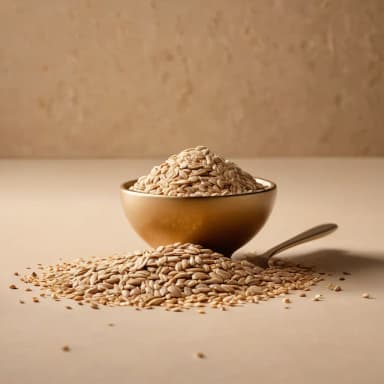
Beta-Glucan
β-glucan
Also known as: Beta-1,3/1,6-glucan, Beta-1,3/1,4-glucan, Oat Beta-Glucan, Yeast Beta-Glucan, Mushroom Beta-Glucan, Curdlan
Beta-glucans are soluble dietary fibers found in oats, barley, yeast, and mushrooms. Oat beta-glucan reduces cholesterol and improves cardiovascular health, while yeast and mushroom beta-glucans support immune function through distinct mechanisms.
Introduction
Beta-glucans are a family of naturally occurring polysaccharides (complex carbohydrates) found in the cell walls of cereals (oats, barley), yeast, fungi (mushrooms), bacteria, and algae. They consist of glucose molecules linked together by beta-glycosidic bonds, with the specific structure varying by source and determining their biological activity.
The two main types of beta-glucan have distinct health effects based on their molecular structure:
- Oat and Barley Beta-Glucan (β-1,3/1,4-glucan):
- Linear, unbranched structure
- Primarily acts as a soluble dietary fiber
- Proven cholesterol-lowering effects
- Improves blood sugar regulation
- FDA-approved health claim for cardiovascular benefit
- Yeast and Mushroom Beta-Glucan (β-1,3/1,6-glucan):
- Branched structure with beta-1,6 side chains
- Functions as immunomodulators
- Activates innate immune system
- Does NOT significantly affect cholesterol
Oat beta-glucan's cholesterol-lowering mechanism involves forming a viscous gel in the digestive tract that binds bile acids and cholesterol, preventing their reabsorption and forcing the liver to use circulating cholesterol to produce new bile acids. This leads to reduced LDL cholesterol levels, typically by 5-10% at effective doses.
The FDA has approved a specific health claim stating that consuming at least 3 grams of oat beta-glucan daily may reduce the risk of heart disease. This claim is supported by numerous clinical trials and meta-analyses showing consistent LDL cholesterol reduction.
Yeast and mushroom beta-glucans work through entirely different mechanisms. Their branched structure allows them to bind to specific receptors (Dectin-1, CR3) on immune cells, particularly macrophages, neutrophils, and natural killer cells. This binding activates these cells, enhancing their ability to recognize and respond to pathogens.
Importantly, beta-glucans do not simply "boost" the immune system in a non-specific way. Rather, they act as "biological response modifiers," modulating immune function—enhancing it when needed while also helping regulate excessive inflammatory responses. This immunomodulatory rather than immunostimulatory effect makes them unique among immune supplements.
Clinical applications of beta-glucans include:
- Cardiovascular health (oat source)
- Upper respiratory tract infection prevention (yeast source)
- Support during intensive exercise periods
- Adjunctive support during conventional cancer therapy
- Wound healing (topical applications)
Beta-glucans are generally very well-tolerated, with a long history of safe consumption in foods. Side effects are minimal and typically limited to mild digestive symptoms.
Main Benefits
Reduces LDL cholesterol by 5-10% at doses of 3g+ daily; FDA-approved health claim for cardiovascular disease risk reduction (oat beta-glucan).
Modulates immune function by activating macrophages, neutrophils, and NK cells through Dectin-1 receptor binding; may reduce upper respiratory infections.
Improves glycemic control and insulin sensitivity; slows gastric emptying and reduces postprandial glucose spikes (oat beta-glucan).
Increases satiety and may support weight management through delayed gastric emptying and increased viscosity of digestive contents.
Supports gut health as a prebiotic fiber; modulates gut microbiome composition and promotes production of short-chain fatty acids.
May reduce duration and severity of upper respiratory tract infections in susceptible populations (yeast beta-glucan).
Mechanism of Action
Beta-glucans exert their effects through distinct mechanisms depending on their source and molecular structure:
Oat/Barley Beta-Glucan (β-1,3/1,4-glucan) - Metabolic Effects:
- Viscous Gel Formation: In the digestive tract, oat beta-glucan forms a thick, viscous gel due to its high molecular weight and linear structure. This gel:
- Increases intestinal viscosity
- Slows gastric emptying
- Delays nutrient absorption
- Bile Acid Binding: The viscous gel binds bile acids (which contain cholesterol) and dietary cholesterol in the intestine, preventing their reabsorption. This forces the liver to:
- Use circulating cholesterol to synthesize new bile acids
- Upregulate LDL receptors to extract more cholesterol from blood
- Result: Reduced circulating LDL cholesterol
Glycemic Control: The gel slows carbohydrate absorption, reducing postprandial glucose spikes and improving insulin sensitivity over time.
Satiety Enhancement: Delayed gastric emptying and intestinal bulking increase feelings of fullness, potentially reducing caloric intake.
Prebiotic Effects: Fermentation by gut bacteria produces short-chain fatty acids (butyrate, propionate, acetate), which benefit colon health and metabolic function.
Yeast/Mushroom Beta-Glucan (β-1,3/1,6-glucan) - Immunomodulatory Effects:
- Receptor-Mediated Immune Activation: The branched structure binds to specific pattern recognition receptors on immune cells:
- Dectin-1: Primary receptor on macrophages, dendritic cells, neutrophils
- Complement Receptor 3 (CR3/CD11b/CD18): On NK cells and neutrophils
- Lactosylceramide and Scavenger receptors: Additional binding sites
- Cellular Immune Enhancement: Binding activates:
- Macrophages: Enhanced phagocytosis, cytokine production (IL-1, IL-6, TNF-α)
- Neutrophils: Improved chemotaxis and pathogen killing
- Natural Killer (NK) cells: Enhanced cytotoxic activity against infected/cancerous cells
- Dendritic cells: Improved antigen presentation
- Cytokine Modulation: Beta-glucans modulate cytokine production, potentially:
- Enhancing protective Th1 responses against infections
- Regulating excessive inflammatory responses
- Not simply "boosting" but "modulating" immune function
- Trained Immunity: Emerging evidence suggests beta-glucans may induce "trained immunity"
- a form of innate immune memory where initial exposure primes immune cells for enhanced future responses to various pathogens.
- Gut-Associated Lymphoid Tissue (GALT): Orally administered beta-glucans may interact with immune cells in the intestinal lymphoid tissue, which contains approximately 70% of the body's immune cells.
Key Distinction: The molecular structure determines the mechanism. Linear β-1,3/1,4-glucans (oats) form viscous gels for metabolic effects. Branched β-1,3/1,6-glucans (yeast/mushrooms) bind immune receptors for immunomodulation. Consumers must choose the appropriate source for their health goals.
Natural Sources
Beta-glucans are found in various natural sources. Oats and barley are the richest cereal sources. Baker's yeast (Saccharomyces cerevisiae) is the primary commercial source for immune beta-glucan. Mushrooms (shiitake, maitake, reishi) contain varying amounts. Seaweed and algae also contain beta-glucans with unique structures.
Examples:
Oats (richest cereal source)
Barley
Baker's yeast and nutritional yeast
Shiitake, maitake, and reishi mushrooms
Seaweed and algae
Nutritional yeast supplements
Edible fungi
Oats readily available; therapeutic doses of oat beta-glucan (3g+) require concentrated oat products or supplements; yeast beta-glucan primarily from supplements.
Recommended Daily Intake
No established RDA. For cholesterol reduction: 3g+ daily of oat beta-glucan (FDA claim). For immune support: 100-500mg daily of yeast beta-glucan. Dose depends on molecular weight and source. Higher molecular weight oat beta-glucan (≥1000 kDa) more effective at lower doses.
Effectiveness for Specific Focuses
Strongest evidence base; FDA-approved health claim; consistent LDL cholesterol reduction; dose-response relationship established.
Good mechanistic evidence; clinical trials show reduced respiratory infections; immunomodulatory effects well-characterized; structure-dependent activity.
Improves glycemic control and insulin sensitivity; slows glucose absorption; supports weight management through satiety.
Prebiotic fiber effects; promotes beneficial gut bacteria; produces SCFAs; supports digestive health.
Immunomodulatory effects may help regulate inflammation; less direct evidence than for immune enhancement or cholesterol reduction.
Safety Information
Potential Side Effects
Flatulence and bloating
Mild diarrhea (especially at high doses)
Nausea
Abdominal discomfort
Contraindications
None absolute
Use caution with immunosuppressive medications (theoretical concern)
Overdose Information
Very safe; occurs naturally in foods consumed for centuries; side effects limited to mild GI symptoms at high doses.
Generally recognized as safe (GRAS) by FDA. Consumed as part of normal diet for millennia. No toxicity concerns.
Interactions
Drug Interactions:
Immunosuppressants (theoretical concern with yeast beta-glucan)
Hypoglycemic medications (may enhance blood sugar lowering)
Cholesterol-lowering medications (additive effects)
Minimal interaction concern; theoretical caution with immunosuppressants not well-documented in clinical practice; additive effects with diabetes and cholesterol medications generally beneficial.
Other Supplement Interactions:
Other fiber supplements (additive GI effects)
Probiotics (synergistic gut health effects)
Immune-supporting supplements (additive effects)
Very safe to combine with most supplements; start with lower doses when combining multiple fiber sources to avoid GI discomfort.
Start with lower doses and increase gradually to minimize GI symptoms. Drink plenty of water. Those with immune disorders should consult physician before using yeast/mushroom beta-glucan. Not a substitute for medical treatment of high cholesterol or immune conditions.
Forms and Bioavailability
Beta-glucan supplements vary by source (oat, yeast, mushroom), molecular weight, and purity. Oat beta-glucan concentrates provide cholesterol benefits. Yeast beta-glucan provides immune benefits. Molecular weight affects viscosity and efficacy.
Oat Beta-Glucan Concentrate
Concentrated soluble fiber from oats; high molecular weight forms most viscous and effective for cholesterol reduction.
Well-characterized efficacy for cholesterol; FDA-approved health claim; dose-response established; viscous gel formation in GI tract.
Use 3g+ daily for cholesterol benefit. Look for products specifying beta-glucan content. Higher molecular weight (≥1000 kDa) more effective.
Yeast Beta-Glucan (β-1,3/1,6)
Derived from Saccharomyces cerevisiae cell walls; branched structure binds immune receptors.
Well-absorbed through immune interactions in gut; clinical evidence for immune modulation; structure determines activity.
Use 100-500mg daily for immune support. Choose well-characterized products with specified beta-glucan content. Not for cholesterol reduction.
Mushroom Beta-Glucan
Extracted from medicinal mushrooms (shiitake, maitake, reishi); similar immune effects to yeast beta-glucan.
Good immune-modulating activity; often combined with other mushroom compounds; well-tolerated.
Found in mushroom extracts and whole mushroom supplements. Often combined with polysaccharides and triterpenes for synergistic effects.
Whole Oats/Oatmeal
Natural food source; provides ~3-5% beta-glucan by weight; additional nutritional benefits from whole grain.
Good source but requires large quantities for therapeutic dose (60g+ oats for 3g beta-glucan); additional nutritional benefits.
~60g dry oats provides ~3g beta-glucan. Good for general health; concentrated supplements more practical for therapeutic dosing.
Warnings & Suitability
Did You Know...?
The FDA has approved a specific health claim for oat beta-glucan: "Soluble fiber from foods such as oat bran, as part of a diet low in saturated fat and cholesterol, may reduce the risk of heart disease."
The cholesterol-lowering effect of oats was first discovered in 1963 when researchers noticed that oatmeal-eating Scottish men had lower cholesterol than expected.
Yeast beta-glucan has been studied as a potential cancer immunotherapy adjunct. A 2019 review found over 80 clinical trials investigating beta-glucans in cancer treatment.
The viscosity of oat beta-glucan gel is so high that it's measured with specialized equipment—regular fiber tests can't capture its unique properties.
Beta-glucans are actually the structural backbone of the fungal kingdom—mushrooms, yeasts, and other fungi all use beta-glucans to build their cell walls.
General Scientific Sources
Tags
Content Verification
Content created with AI assistance and reviewed for accuracy. Sources are cited throughout the text.
Last Medical Review: 2/25/2026
Reviewed by: Prodata.cc