
Medical Disclaimer: This information is for educational purposes only and is not intended as medical advice. Always consult a qualified healthcare provider before starting any supplement, especially if you have a health condition or take medications.
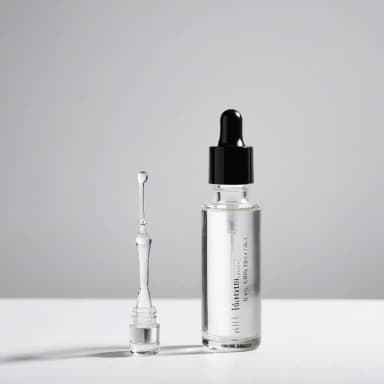
Hyaluronic Acid
Hyaluronic acid (HA)
Also known as: Hyaluronan, Hyaluronate, Sodium Hyaluronate, HA
Hyaluronic acid is a naturally occurring glycosaminoglycan that provides lubrication and cushioning in joints and hydration in skin. Oral supplementation shows promise for joint health and skin moisture, though bioavailability is limited compared to injectable forms.
Introduction
Hyaluronic acid (HA), also known as hyaluronan, is a naturally occurring glycosaminoglycan—a long, unbranched polysaccharide composed of repeating disaccharide units. It is a major component of the extracellular matrix in connective, epithelial, and neural tissues throughout the body.
The body produces approximately 15 grams of hyaluronic acid daily, with the highest concentrations found in:
- Skin (about 50% of total body HA)
- Synovial fluid in joints
- Eye vitreous humor
- Umbilical cord
Hyaluronic acid's unique properties make it essential for:
Joint Lubrication: In synovial joints, HA provides viscosity and elasticity to synovial fluid, acting as both a lubricant and shock absorber. It coats cartilage surfaces, reducing friction during movement.
Skin Hydration: HA has an extraordinary capacity to retain water—one molecule can bind up to 1,000 times its weight in water. This makes it crucial for maintaining skin moisture, volume, and elasticity.
Tissue Repair: HA is involved in wound healing, cell migration, and tissue regeneration. It creates a hydrated environment favorable for cellular repair processes.
Cell Signaling: HA interacts with cell surface receptors (CD44, RHAMM), influencing cell proliferation, migration, and inflammation.
Natural production of HA declines with age—by age 50, the body may produce only half the HA it did in youth. This decline contributes to:
- Decreased skin moisture and elasticity (wrinkles)
- Reduced joint lubrication (osteooarthritis)
- Decreased wound healing capacity
Hyaluronic acid is available in several forms:
- Injectable: Directly into joints (viscosupplementation) or skin (dermal fillers)
- Topical: Skincare products for surface hydration
- Oral: Dietary supplements (the focus of this card)
Oral HA supplementation has gained popularity based on the theory that consuming HA can increase tissue levels. However, oral bioavailability is debated—some studies show HA is absorbed and distributed to tissues, while others question whether significant amounts reach target tissues intact.
Clinical trials of oral HA for osteoarthritis have shown modest but consistent benefits for pain reduction and function improvement. For skin health, some studies show improvements in hydration and wrinkle reduction.
The molecular weight of oral HA may matter—some research suggests high-molecular-weight HA (1-2 million Daltons) may have different effects than lower molecular weight forms, potentially reaching tissues through lymphatic transport or acting through gut-associated mechanisms.
Main Benefits
May reduce knee osteoarthritis pain and improve joint function; systematic review suggests oral HA is safe and effective for OA symptoms.
Improves skin hydration and moisture content; clinical trials show modest improvements in skin appearance and wrinkle reduction.
Reduces joint stiffness and improves physical function in osteoarthritis patients; decreases WOMAC scores for pain and stiffness.
Excellent safety profile; very well-tolerated even at high doses; rare and mild side effects.
May reduce chronic pain and decrease use of pain medication; pilot study showed significant pain reduction with high-molecular-weight oral HA.
Supports connective tissue health throughout the body; component of extracellular matrix essential for tissue structure and function.
Mechanism of Action
Hyaluronic acid works through multiple mechanisms depending on the route of administration and tissue location:
Oral HA Mechanisms (absorbed form):
- Absorption and Distribution: Despite its large molecular weight, studies suggest oral HA can be:
- Partially absorbed intact through intestinal lymphatic vessels
- Distributed to connective tissues including skin and joints
- Metabolized by intestinal bacteria into bioactive fragments
- Joint Lubrication (Systemic): Once absorbed, HA may:
- Incorporate into synovial fluid, increasing viscosity
- Coat cartilage surfaces, reducing friction
- Provide cushioning and shock absorption
- Stimulate endogenous HA production by synoviocytes
- Anti-inflammatory Effects: HA may reduce joint inflammation by:
- Interacting with CD44 receptors on immune cells
- Modulating inflammatory cytokine production
- Reducing oxidative stress in joint tissues
- Skin Hydration (Systemic): Absorbed HA may:
- Reach dermal tissue and retain water
- Stimulate fibroblasts to produce more HA, collagen, and elastin
- Improve skin barrier function
Local Mechanisms (in joints and skin):
- Viscosupplementation: In joints, HA:
- Increases synovial fluid viscosity and elasticity
- Improves lubrication through boundary lubrication effects
- Absorbs mechanical shock during movement
- Protects cartilage from wear
- Chondroprotection: HA may protect cartilage by:
- Reducing inflammatory mediators in joint fluid
- Scavenging free radicals
- Inhibiting cartilage-degrading enzymes
- Promoting chondrocyte survival
- Cell Signaling: Through CD44 and RHAMM receptors, HA:
- Regulates cell proliferation and migration
- Modulates inflammatory responses
- Influences tissue repair processes
Molecular Weight Considerations:
- High molecular weight HA (>1 million Daltons): Better viscosity, may stimulate endogenous production
- Low molecular weight HA: Better absorption, different receptor interactions
- Both forms appear bioactive but may have different tissue distributions
Bioavailability Debate: While oral HA bioavailability is low (estimated 5-10%), even small amounts reaching target tissues may be physiologically relevant given HA's potency. Additionally, oral HA may act through:
- Gut microbiome interactions
- Intestinal immune signaling
- Stimulation of endogenous HA synthesis
Natural Sources
Hyaluronic acid is produced naturally in the body and found in animal tissues including rooster combs (traditional source for supplements), chicken cartilage, and fish (marine sources). Modern supplements often use microbial fermentation (bacterial production) which is vegan-friendly. Dietary sources provide minimal HA; therapeutic doses require supplementation.
Examples:
Microbial fermentation (vegan source)
Rooster comb extract
Chicken cartilage
Marine/fish sources
Bone broth (minimal amounts)
Not available in meaningful amounts from food; therapeutic doses require concentrated supplements; traditional sources animal-derived but modern microbial fermentation provides vegan options.
Recommended Daily Intake
No established RDA. Oral HA studies typically use 80-200 mg daily for joint health, 120-240 mg for skin health. Higher doses up to 1000 mg have been used safely. Effects typically seen after 4-8 weeks of consistent use. Molecular weight may matter—products range from low (<500 kDa) to high (1-2 million Da) molecular weight.
Effectiveness for Specific Focuses
Primary indication with most clinical evidence; systematic reviews support benefits for OA symptoms; mechanism well-understood (joint lubrication).
Strong mechanistic basis (water retention); clinical trials show modest skin hydration improvements; popular in beauty supplements.
Modest anti-inflammatory effects in joints; contributes to symptom relief but not primary mechanism.
Age-related decline in HA production supports supplementation rationale; skin and joint benefits relevant to aging; no direct longevity evidence.
Limited evidence for athletic performance; joint lubrication may benefit some athletes; more research needed.
Safety Information
Potential Side Effects
Mild stomach upset
Nausea (rare)
Diarrhea (rare)
Headache (rare)
Contraindications
Cancer (theoretical concern—HA may promote cell proliferation; consult oncologist)
Pregnancy and breastfeeding (insufficient safety data)
Overdose Information
Extremely safe; natural body compound; even very high doses well-tolerated; GRAS (Generally Recognized as Safe) status.
One of the safest supplements. Natural body substance with no known toxicity. Even injectable HA has excellent safety profile.
Interactions
Drug Interactions:
None well-documented
Theoretical caution with chemotherapy (may promote cell proliferation)
Minimal interaction risk; natural body compound; theoretical caution with cancer treatments due to cell proliferation concerns.
Other Supplement Interactions:
Collagen (synergistic for skin health)
Glucosamine and chondroitin (synergistic for joint health)
Vitamin C (supports HA synthesis)
Highly compatible with all supplements; commonly combined with collagen, glucosamine, and skin/joint formulas.
Those with cancer should consult oncologist before use due to theoretical concerns about promoting cell proliferation. Not a substitute for medical treatment of osteoarthritis. Effects are modest compared to injectable HA. Source matters—choose reputable manufacturers.
Forms and Bioavailability
Oral HA comes in various molecular weights. High molecular weight (1-2 million Daltons) may provide different benefits than low molecular weight (<500 kDa). Both are absorbed but may distribute differently in tissues. Injectable and topical forms have better local bioavailability but oral is more convenient.
High Molecular Weight HA (1-2 million Da)
Large molecular weight HA; may stimulate endogenous HA production; preferentially distributed to lymphatic system and tissues.
Lower absorption but may have unique biological effects; clinical evidence supports efficacy despite size; may stimulate body's own HA production.
Use 80-200 mg daily. Some evidence high MW HA reaches tissues through lymphatic transport. May be preferable for joint health. Look for "high molecular weight" or "1-2 million Daltons" on label.
Low Molecular Weight HA (<500 kDa)
Smaller fragments may have better absorption and different tissue distribution; may interact differently with cell receptors.
Better absorption than high MW; different receptor interactions; good clinical evidence for skin and joint benefits.
Use 120-240 mg daily. Better intestinal absorption. May be preferable for skin benefits. Many products use this form.
Injectable HA (Viscosupplementation)
Direct injection into joints; 100% local bioavailability; not oral supplementation but relevant comparison.
Direct delivery to target tissue; strongest clinical evidence for joint benefits; medical procedure requiring physician.
Medical procedure, not supplement. Strongest evidence for joint benefits. Effects last 6 months. Compare to oral which is weaker but more convenient.
Topical HA
Applied to skin surface; minimal penetration; provides surface hydration only; does not reach dermis.
Very limited skin penetration; acts on surface only; temporary hydration effect; does not provide systemic benefits.
Good for immediate surface hydration. Does not replace oral or injectable for deep skin benefits. Large molecules cannot penetrate skin barrier.
Warnings & Suitability
Did You Know...?
Hyaluronic acid was first discovered in 1934 by Karl Meyer and John Palmer in the vitreous humor of cow eyes. They named it from the Greek word "hyalos" (glass) and uronic acid.
The human body contains about 15 grams of hyaluronic acid, and turns over about one-third of it daily—producing approximately 5 grams of new HA every day to maintain tissue levels.
HA is a major component of rooster combs, which were the original commercial source for medical and cosmetic HA before bacterial fermentation was developed.
One molecule of hyaluronic acid can hold up to 1,000 times its weight in water, making it one of the most hydrophilic (water-loving) molecules in nature.
The molecular weight of HA in the body varies by location—synovial fluid contains very high molecular weight HA (6-7 million Daltons) for maximum viscosity, while skin contains a mix of high and low molecular weight forms.
General Scientific Sources
Tags
Content Verification
Content created with AI assistance and reviewed for accuracy. Sources are cited throughout the text.
Last Medical Review: 2/25/2026
Reviewed by: Prodata.cc