
Medical Disclaimer: This information is for educational purposes only and is not intended as medical advice. Always consult a qualified healthcare provider before starting any supplement, especially if you have a health condition or take medications.
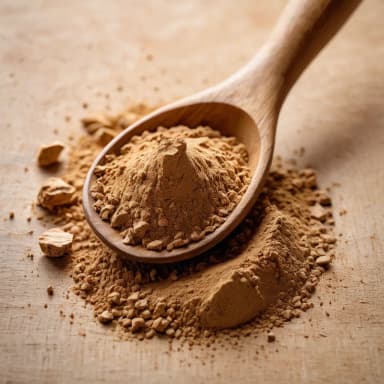
Maca Root
Lepidium meyenii
Also known as: Peruvian Ginseng, Ayak Chichira, Ayak Willku, Lepidium peruvianum, Maca-Maca, Maino, Pepperweed
Maca is an adaptogenic root vegetable native to the Peruvian Andes, traditionally used to enhance fertility, energy, and vitality. Modern research supports its use for improving sexual function, reducing menopausal symptoms, and supporting mood and energy.
Introduction
Maca (Lepidium meyenii) is a cruciferous vegetable native to the high Andes mountains of Peru, where it has been cultivated for over 2,000 years. It grows at elevations of 4,000-4,500 meters above sea level, making it one of the highest altitude cultivated crops in the world. The Incas considered maca a sacred plant, reserved for royalty and fed to warriors before battle to increase strength and endurance.
The edible part of maca is the root (hypocotyl), which resembles a small turnip or radish and comes in various colors including yellow, red, and black. Each color variety has slightly different properties and traditional uses, with black maca traditionally considered most potent for male fertility, red for prostate health and female fertility, and yellow (the most common) for general vitality.
Traditionally, maca has been used to enhance fertility in humans and livestock, increase energy and stamina, improve mood, and as an aphrodisiac. Spanish colonizers documented its use in the 16th century, noting that native Peruvians fed it to their animals to improve reproduction in the harsh high-altitude environment.
Modern research has validated many traditional uses, particularly for sexual function. Multiple randomized controlled trials demonstrate that maca improves sexual desire in both men and women independently of hormone level changes, suggesting a mechanism involving neurotransmitter modulation or direct CNS effects rather than hormonal action.
For menopausal women, maca shows promise in reducing symptoms such as hot flashes, night sweats, mood swings, and sleep disturbances. Unlike hormone replacement therapy, maca does not appear to directly increase estrogen levels, making it an attractive option for women who cannot or prefer not to use hormonal treatments.
Maca is also classified as an adaptogen, helping the body resist various stressors and maintain homeostasis. It is rich in nutrients including carbohydrates, protein, fiber, essential amino acids, fatty acids, vitamins (B vitamins, C, E), and minerals (iron, calcium, zinc, magnesium, potassium).
Importantly, maca does not contain testosterone or other hormones, and most studies show no significant changes in sex hormone levels (testosterone, estrogen, LH, FSH) with supplementation. This non-hormonal mechanism of action distinguishes it from hormone therapies and phytoestrogens.
Main Benefits
Improves sexual desire and function in both men and women; clinical trials show significant improvements in libido independent of hormone level changes.
May improve erectile function and sexual satisfaction in men with mild erectile dysfunction.
Reduces menopausal symptoms including hot flashes, night sweats, mood disturbances, and sleep problems without directly affecting hormone levels.
May improve semen quality and sperm count in men; preliminary evidence for fertility support.
Shows potential for improving mood, reducing anxiety and depression symptoms, particularly in postmenopausal women.
May enhance energy, vitality, and physical performance; traditional use supported by preliminary clinical evidence.
Mechanism of Action
Unlike many botanicals used for sexual health, maca does not appear to work through direct hormonal mechanisms. Most studies show no significant changes in testosterone, estrogen, LH, FSH, or prolactin levels with maca supplementation, despite clinical improvements in sexual function.
The exact mechanisms of action are not fully understood but likely include:
Neurotransmitter Modulation: Maca appears to influence the central nervous system and neurotransmitter pathways involved in sexual desire and mood. Animal studies suggest effects on serotonin, dopamine, and noradrenaline systems. The improvement in sexual desire appears to be independent of hormonal changes, suggesting direct CNS effects.
Endocannabinoid System: Some research suggests maca may interact with the endocannabinoid system, which plays a role in mood regulation, pain perception, and reproductive function. Maca contains compounds called macamides that structurally resemble endocannabinoids.
Nitric Oxide and Blood Flow: Preliminary evidence suggests maca may enhance nitric oxide production or improve endothelial function, potentially supporting erectile function through improved penile blood flow.
Antioxidant Effects: Maca demonstrates antioxidant properties, reducing oxidative stress in various tissues. This may contribute to improved sperm quality and general cellular health.
Adrenal and HPA Axis Support: As an adaptogen, maca may help regulate the hypothalamic-pituitary-adrenal (HPA) axis, improving stress resilience and energy levels. This may explain benefits for mood and vitality.
Nutritional Support: Maca is nutrient-dense, providing carbohydrates, protein, essential amino acids, fatty acids, vitamins, and minerals that support overall health and energy metabolism.
Prostate Protection: Red maca specifically has shown potential for reducing prostate size in animal models of benign prostatic hyperplasia (BPH), possibly through unique phytochemicals present in the red variety.
The non-hormonal mechanism makes maca unique among supplements for sexual and hormonal health, offering benefits without the risks associated with hormone therapies.
Natural Sources
Maca is native to the high Andes mountains of Peru and Bolivia, growing at altitudes of 4,000-4,500 meters. It is cultivated as a root vegetable and food crop. The root is traditionally consumed cooked or dried and powdered. It is not naturally found outside its native range but is now cultivated in other high-altitude regions.
Examples:
Fresh maca root (cooked)
Maca powder (dried, ground root)
Gelatinized maca powder
Maca extracts
Fortified foods and beverages
Widely available as powder and supplements in health food stores; not typically consumed as fresh vegetable outside Andean regions.
Recommended Daily Intake
No established RDA. Traditional consumption in Peru is 15-50 grams of dried root daily. Clinical studies typically use 1.5-3 grams daily of maca powder. Gelatinized forms may be used at lower doses due to concentration. Effects typically appear after 4-12 weeks of consistent use.
Effectiveness for Specific Focuses
Strong evidence for menopausal symptom relief; libido improvement in women; non-hormonal mechanism makes it safe for hormone-sensitive conditions.
Good evidence for libido enhancement; preliminary support for sperm quality; potential prostate benefits with red maca.
Evidence for reducing anxiety and depression in postmenopausal women; adaptogenic effects on mood and stress resilience.
Traditional use for energy and stamina; preliminary clinical support; nutrient-dense composition supports vitality.
Adaptogenic properties may improve stress resilience; some evidence for improved sleep quality in menopausal women.
Safety Information
Potential Side Effects
Gastrointestinal upset (at high doses)
Insomnia (if taken late in the day due to energy effects)
Increased heart rate (rare)
Mood changes
Altered menstrual cycles (rare)
Contraindications
Pregnancy and breastfeeding (insufficient safety data)
Thyroid conditions (contains goitrogens)
Hormone-sensitive cancers (theoretical concern despite non-hormonal mechanism)
Endometriosis, uterine fibroids, ovarian cysts (caution advised)
Overdose Information
Generally recognized as safe; traditional food in Peru consumed in large quantities; no serious toxicity reported at recommended doses.
Maca has been consumed as a food staple in Peru for thousands of years with no reports of toxicity. Very safe for long-term use at recommended doses.
Interactions
Drug Interactions:
Hormone replacement therapy (theoretical interaction despite non-hormonal mechanism)
Thyroid medications (may interfere due to goitrogen content)
Blood pressure medications (may enhance effects)
Antidepressants (may have additive effects on mood)
Moderate caution with thyroid medications due to goitrogen content; otherwise minimal interaction risk; non-hormonal mechanism reduces hormone drug interactions.
Other Supplement Interactions:
Other adaptogens (potential additive effects)
Hormone-supporting supplements (uncertain interactions)
Stimulants (may enhance energy effects)
Generally compatible with most supplements; caution with thyroid-supporting supplements due to goitrogen content.
Avoid if you have thyroid conditions or are on thyroid medication due to goitrogen content. Take earlier in the day to avoid sleep disruption. Choose gelatinized maca if you have digestive sensitivity (removes starch). Not recommended during pregnancy or breastfeeding.
Forms and Bioavailability
Maca is available as raw powder, gelatinized (pre-cooked) powder, and extracts. Gelatinization improves digestibility and nutrient availability by breaking down starch. Different colors (yellow, red, black) have different traditional uses and phytochemical profiles.
Gelatinized Maca Powder
Pre-cooked to remove starch; more concentrated; better digestibility; gentler on digestion.
Gelatinization improves bioavailability of active compounds; removes indigestible starch; concentrated form allows lower dosing.
Preferred form for most people, especially those with sensitive digestion. Can be used at lower doses than raw maca (1,000-2,000 mg vs 1,500-3,000 mg).
Raw Maca Powder
Dried and ground root without heat processing; contains starch; closest to traditional use.
Good bioavailability but contains starch that may be hard to digest for some; requires higher doses than gelatinized forms.
Most economical option. Best for those who tolerate starch well. May cause gas or bloating in sensitive individuals. Traditional preparation involves cooking.
Maca Extract (4:1 or higher)
Concentrated extract standardized to active compounds; smaller doses needed.
Concentrated form provides higher active compound content per dose; convenient for capsule formulations.
More expensive but convenient. Look for standardized extracts. Typical dose 300-600 mg daily.
Yellow Maca (Standard)
Most common variety; balanced nutritional profile; general vitality support.
Most researched variety; abundant clinical evidence; well-balanced phytochemical profile.
Best for general energy, mood, and menopausal symptoms. Most affordable and widely available.
Red Maca
Higher in certain bioactive compounds; traditionally used for prostate and female fertility.
Unique phytochemical profile with potential prostate benefits; may have different effects than yellow maca.
Best for prostate health and bone density. More expensive than yellow maca. Choose specifically for these applications.
Black Maca
Rarest variety; traditionally considered most potent for male fertility and energy.
Highest concentration of certain bioactive compounds; traditional prestige variety; limited but promising research.
Most expensive variety. Traditionally used for male fertility and athletic performance. Limited research compared to yellow maca.
Warnings & Suitability
Did You Know...?
Maca is one of the highest altitude cultivated crops in the world, growing at elevations above 4,000 meters where few other food crops can survive.
The Incas reserved maca for royalty and fed it to warriors before battle. It was so valued that it was used as currency during the colonial period.
Unlike many "aphrodisiac" supplements, maca actually has clinical trials showing it improves sexual desire without affecting hormone levels - a unique mechanism.
Maca is a cruciferous vegetable related to broccoli, cabbage, and kale, but it's the root (not the leaves) that's consumed.
General Scientific Sources
Tags
Content Verification
Content created with AI assistance and reviewed for accuracy. Sources are cited throughout the text.
Last Medical Review: 2/25/2026
Reviewed by: Prodata.cc