
Medical Disclaimer: This information is for educational purposes only and is not intended as medical advice. Always consult a qualified healthcare provider before starting any supplement, especially if you have a health condition or take medications.
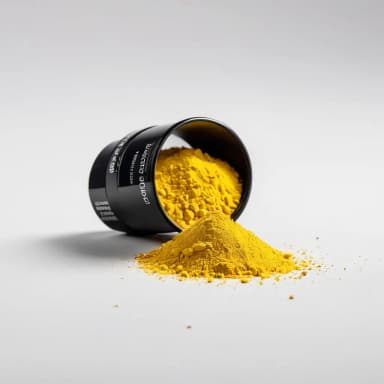
Quercetin
Quercetin (3,3′,4′,5,7-pentahydroxyflavone)
Also known as: Quercetin Dihydrate, Sophoretin, Meletin, Quercetol, Xanthaurine, Isoquercetin, Rutin (quercetin glycoside)
Quercetin is a natural flavonoid with potent antioxidant, anti-inflammatory, and anti-allergic properties. It stabilizes mast cells, reduces histamine release, and supports immune function. Often combined with bromelain to enhance absorption.
Introduction
Quercetin is one of the most abundant and well-studied flavonoids in the human diet, belonging to a class of plant compounds called polyphenols. Its name derives from "quercetum," the Latin word for oak forest, as it was first discovered in oak trees. Today, we know it's widely distributed in fruits, vegetables, and grains, with particularly high concentrations in onions, apples, berries, and capers.
As a flavonoid, quercetin serves multiple protective functions in plants—including defense against UV radiation, pathogens, and oxidative stress. When consumed by humans, these same protective properties translate into various health benefits, though bioavailability is limited and highly variable.
Quercetin's molecular structure features multiple hydroxyl groups that enable it to:
- Scavenge free radicals directly
- Chelate metal ions that catalyze oxidative reactions
- Modulate enzyme activity
- Interact with cell signaling pathways
One of quercetin's most researched applications is in allergy management. Unlike antihistamine medications that block histamine receptors after histamine is released, quercetin acts upstream by stabilizing mast cells and basophils—the immune cells responsible for releasing histamine and other inflammatory mediators. This preventive mechanism makes it particularly valuable for seasonal allergy sufferers.
Key mechanisms of action include:
Mast Cell Stabilization: Quercetin inhibits mast cell degranulation, reducing the release of histamine, leukotrienes, and prostaglandins that cause allergic symptoms.
Antioxidant Activity: Direct free radical scavenging and indirect antioxidant enzyme induction protect cells from oxidative damage.
Anti-inflammatory Effects: Inhibition of inflammatory enzymes (COX, LOX) and pro-inflammatory cytokine production.
Immune Modulation: Regulation of Th1/Th2 balance and immune cell function.
Zinc Ionophore Activity: Quercetin may help transport zinc into cells, potentially enhancing zinc's antiviral effects (emerging research area).
Bioavailability is the primary limitation of quercetin supplementation. Native quercetin has poor absorption (typically <5% of ingested dose reaches circulation). Strategies to enhance absorption include:
- Combining with bromelain (proteolytic enzyme from pineapple)
- Taking with fatty meals
- Using enhanced formulations (lecithin complexes, nanoparticles)
- Consuming as glycosides (like isoquercetin) which may be better absorbed
Despite bioavailability challenges, quercetin remains one of the most promising natural compounds for allergy support, immune function, and general antioxidant protection, with an excellent safety profile even at high doses.
Main Benefits
Stabilizes mast cells and inhibits histamine release, reducing allergic symptoms such as sneezing, itching, and runny nose; acts upstream of antihistamines.
Reduces production of pro-inflammatory cytokines including IL-6, IL-8, IL-1β, and TNF-α; inhibits inflammatory enzyme pathways.
Potent antioxidant activity; scavenges free radicals and reduces oxidative stress markers; may protect against oxidative damage.
Modulates immune function by regulating Th1/Th2 balance and supporting appropriate immune responses; may reduce excessive inflammatory reactions.
May enhance zinc absorption into cells as a zinc ionophore; potential synergistic effects with zinc for immune support (emerging research).
Supports cardiovascular health through antioxidant protection of blood vessels, reduction of oxidative LDL, and potential blood pressure benefits.
Mechanism of Action
Quercetin exerts its effects through multiple interconnected molecular mechanisms involving enzyme inhibition, receptor modulation, antioxidant activity, and cell signaling regulation:
- Mast Cell Stabilization: Quercetin inhibits mast cell and basophil degranulation by:
- Blocking calcium influx required for granule release
- Inhibiting tyrosine kinase Syk, critical for mast cell activation
- Reducing phosphorylation of ERK-MAPK pathway
- This prevents release of histamine, leukotrienes, prostaglandins, and cytokines
- Antioxidant Mechanisms: Quercetin is a potent antioxidant through:
- Direct scavenging of free radicals (ROS and RNS)
- Chelation of transition metal ions (Fe²⁺, Cu²⁺) that catalyze oxidative reactions
- Regeneration of other antioxidants (vitamin C, vitamin E)
- Induction of antioxidant enzymes (SOD, catalase, glutathione peroxidase)
- Anti-inflammatory Enzyme Inhibition:
- Inhibits cyclooxygenase (COX) and lipoxygenase (LOX) enzymes, reducing production of inflammatory prostaglandins and leukotrienes
- Inhibits phospholipase A2, reducing arachidonic acid release
- Modulates inducible nitric oxide synthase (iNOS)
- Cytokine Modulation: Quercetin reduces production of pro-inflammatory cytokines:
- TNF-α (tumor necrosis factor-alpha)
- IL-6 (interleukin-6)
- IL-1β (interleukin-1 beta)
- IL-8 (interleukin-8)
- Th1/Th2 Balance: Quercetin may help regulate immune responses by:
- Reducing IL-4 production (Th2 cytokine associated with allergies)
- Supporting more balanced immune responses
- Potentially beneficial for both Th1-dominant and Th2-dominant conditions
Zinc Ionophore Activity: Quercetin may act as a zinc ionophore, forming complexes with zinc that facilitate its transport across cell membranes. This could enhance zinc's intracellular antiviral effects, though clinical significance requires more research.
NF-κB Inhibition: Quercetin inhibits NF-κB activation, reducing transcription of inflammatory genes. This affects multiple downstream inflammatory pathways.
SIRT1 Activation: Quercetin may activate SIRT1 (sirtuin 1), an enzyme involved in cellular stress resistance, metabolism, and longevity pathways.
Bioavailability Considerations: Poor absorption limits systemic effects. Absorption is enhanced by:
- Co-administration with bromelain (increases intestinal permeability)
- Consumption with dietary fats (lipid-soluble)
- Lecithin-based formulations (phytosomes)
- Glycosylated forms (isoquercetin, rutin)
Once absorbed, quercetin is rapidly metabolized in the liver and intestinal wall, with metabolites (methylated, glucuronidated, sulfated forms) contributing to biological activity.
Natural Sources
Quercetin is widely distributed in plant foods. Richest sources include capers, onions (especially red onions), apples (with skin), berries (blueberries, cranberries, black currants), grapes, cherries, citrus fruits, broccoli, kale, tomatoes, and tea (green and black). Red wine also contains quercetin. Dietary intake typically ranges from 5-40 mg/day, though higher intakes possible with plant-rich diets.
Examples:
Capers (highest concentration)
Red onions
Apples (with skin)
Blueberries and cranberries
Black currants
Cherries
Kale and broccoli
Red grapes
Green tea and black tea
Red wine
Widely available in common fruits and vegetables; however, therapeutic doses (500-1000mg) require supplementation due to low concentrations in foods and poor bioavailability.
Recommended Daily Intake
No established RDA. Dietary intake typically 5-40 mg/day. Supplement doses range from 500-1000 mg/day for therapeutic effects. Best absorbed when taken with meals containing fats. Often combined with bromelain (100-200 mg) to enhance absorption. Divided doses (2-3x daily) may maintain more stable blood levels.
Effectiveness for Specific Focuses
Strong mechanistic evidence for immune modulation; mast cell stabilization; cytokine regulation; emerging zinc ionophore research.
Potent antioxidant activity; direct radical scavenging; enzyme induction; well-characterized antioxidant mechanisms.
Inhibits inflammatory enzymes and cytokines; reduces NF-κB activation; broad anti-inflammatory effects.
Preliminary evidence for vascular protection and blood pressure; observational studies support association; clinical trial data limited by bioavailability issues.
Limited direct evidence; some gut microbiome interactions; most effects systemic rather than local.
Safety Information
Potential Side Effects
Headache (rare)
Nausea and stomach upset
Tingling sensations
Kidney damage (at very high doses, >1g/day long-term)
Contraindications
Kidney disease (use caution)
Pregnancy and breastfeeding (insufficient safety data)
Autoimmune conditions (theoretical immunomodulatory concern)
Overdose Information
Generally well-tolerated; side effects mild and uncommon. Very high doses (>1g/day) for extended periods may stress kidneys. Excellent safety profile at recommended doses.
Very safe at recommended doses. Consumed in foods for millennia. Kidney function should be monitored with long-term high-dose use.
Interactions
Drug Interactions:
Anticoagulants (warfarin, aspirin) - additive bleeding risk
Chemotherapy agents (may interfere with efficacy)
Cyclosporine (may reduce absorption)
Fluoroquinolone antibiotics (may reduce absorption)
Blood pressure medications (may enhance effects)
Moderate concern with anticoagulants and chemotherapy; timing separation needed with certain antibiotics and immunosuppressants.
Other Supplement Interactions:
Bromelain (enhances absorption - beneficial combination)
Vitamin C (synergistic antioxidant effects)
Zinc (ionophore activity - potential synergy)
Other blood-thinning supplements (additive risk)
Combination with bromelain and vitamin C is beneficial; caution with other supplements affecting bleeding or immune function.
Take with food to reduce stomach upset and enhance absorption. Discontinue 2 weeks before surgery due to potential bleeding risk. Consult healthcare provider if taking chemotherapy or immunosuppressive medications. Not recommended during pregnancy due to insufficient safety data.
Forms and Bioavailability
Quercetin bioavailability is poor (<5% for native quercetin). Enhanced formulations and co-administration strategies significantly improve absorption. Rutin and isoquercetin are glycosylated forms with different absorption profiles.
Quercetin with Bromelain
Quercetin combined with bromelain (pineapple enzyme); bromelain increases intestinal permeability and enhances quercetin absorption.
Bromelain significantly improves absorption; standard combination in allergy supplements; well-tolerated; synergistic anti-inflammatory effects.
Most common and cost-effective approach. Use 500mg quercetin with 100-200mg bromelain. Take on an empty stomach for best bromelain activity.
Lecithin-Based (Phytosome)
Quercetin bound to phosphatidylcholine lecithin; lipid-compatible delivery system improves intestinal absorption.
Significantly improved bioavailability over standard quercetin; lipid solubility enhances cellular uptake; may provide 5-10x better absorption.
Premium option with best absorption. Look for "quercetin phytosome" or lecithin-complexed forms. More expensive but lower doses needed.
Isoquercetin
Quercetin-3-glucoside; water-soluble glycoside form; may have better absorption and bioactivity than aglycone quercetin.
Better water solubility; may bypass some intestinal metabolism; different metabolic profile than quercetin aglycone.
Alternative form with potentially better bioavailability. Less common in supplements but worth considering. Similar dosing to standard quercetin.
Rutin
Quercetin-3-rutinoside; glycoside form naturally occurring with quercetin; must be hydrolyzed to quercetin before absorption.
Poorer absorption than quercetin aglycone; requires hydrolysis by gut bacteria; slower but more sustained release.
Less effective than other forms. More commonly used in Europe. May provide longer-lasting but lower peak levels. Generally not preferred.
Warnings & Suitability
Did You Know...?
Quercetin is the most abundant flavonoid in the human diet, with average daily intake estimated at 5-40 mg in Western diets, though some populations consume much more.
The highest concentration of quercetin in any food is found in capers—containing approximately 234 mg per 100g, which is more than 10 times the amount in most other plant foods.
Red onions can contain up to 4 times more quercetin than white or yellow onions, making them the best common dietary source of this flavonoid.
Quercetin is sometimes called "nature's Benadryl" due to its mast cell-stabilizing and antihistamine-like effects, though it works through different mechanisms.
Apples contain quercetin primarily in their skin—peeling an apple removes about 50% of its total quercetin content.
General Scientific Sources
Tags
Content Verification
Content created with AI assistance and reviewed for accuracy. Sources are cited throughout the text.
Last Medical Review: 2/25/2026
Reviewed by: Prodata.cc