
Medical Disclaimer: This information is for educational purposes only and is not intended as medical advice. Always consult a qualified healthcare provider before starting any supplement, especially if you have a health condition or take medications.
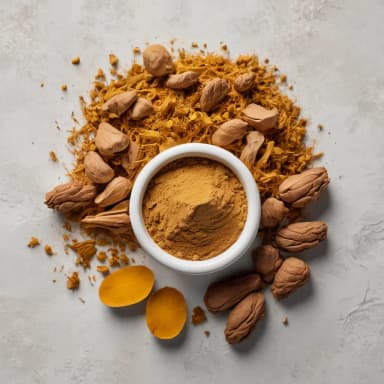
Rhodiola Rosea
Rhodiola rosea
Also known as: Golden Root, Arctic Root, Rosavin, Roseroot, King's Crown, Orpin Rose, SHR-5
Rhodiola rosea is an adaptogenic herb native to Arctic regions, clinically studied for reducing stress-related fatigue, improving mental performance under stress, and supporting mood. The SHR-5 extract has the strongest clinical evidence.
Introduction
Rhodiola rosea is a perennial flowering plant that grows naturally in the cold, mountainous regions of Europe and Asia, including the Arctic, Siberia, and the mountains of Central Asia. It has been used for centuries in traditional medicine systems of Russia, Scandinavia, and other northern European countries. Vikings reportedly used rhodiola to enhance physical strength and endurance, while Siberian families would send the herb with newlyweds to promote fertility and energy.
The plant has distinctive yellow flowers and a rose-like scent (hence "rosea"), with the medicinal properties concentrated in its roots. Traditional uses include treating fatigue, depression, altitude sickness, and infections. Russian scientists began systematic research on rhodiola in the 1960s, classifying it as an adaptogen alongside eleuthero and schisandra.
Modern clinical research has focused primarily on a standardized extract called SHR-5, which contains specific concentrations of active compounds rosavins (3%) and salidroside (1%). Multiple randomized controlled trials have demonstrated that SHR-5 reduces symptoms of stress-related fatigue, improves mental performance during periods of stress, and may help with mild to moderate depression.
The herb is particularly valuable for people experiencing burnout—a state of chronic stress leading to exhaustion, cynicism, and reduced performance. A multicenter clinical trial specifically studying burnout patients showed significant improvements after 12 weeks of treatment with rhodiola extract.
Rhodiola is classified as an adaptogen, meaning it helps the body resist various stressors (physical, chemical, biological) and restore homeostasis. Unlike stimulants that deplete the body's reserves, adaptogens like rhodiola are thought to enhance the body's nonspecific resistance to stress while normalizing function.
The active compounds in rhodiola include rosavins (rosavin, rosin, rosarin), salidroside (also called rhodioloside), tyrosol, and various flavonoids and phenolic acids. The ratio of rosavins to salidroside is important for standardization—most clinical studies used extracts standardized to 3% rosavins and 0.8-1% salidroside.
Effects typically begin within a few days to weeks of consistent use, making it faster-acting than some other adaptogens. It's commonly used by students during exam periods, athletes during training, and professionals experiencing work-related stress or burnout.
Main Benefits
Reduces stress-related fatigue and burnout symptoms; clinical trials show significant improvements in exhaustion, cynicism, and professional efficacy scores.
Improves mental performance, concentration, and cognitive function under conditions of stress and fatigue.
May reduce symptoms of mild to moderate depression and anxiety; potential alternative or adjunct to conventional antidepressants.
Preliminary evidence for enhancing exercise performance and reducing muscle damage markers after exercise.
Improves attention and reduces mental fatigue in individuals with chronic fatigue and stress-related cognitive impairment.
Mechanism of Action
Rhodiola rosea acts through multiple mechanisms as an adaptogen, affecting neurotransmitter systems, stress hormone regulation, cellular energy metabolism, and neuroprotection:
HPA Axis Modulation: Rhodiola helps regulate the hypothalamic-pituitary-adrenal (HPA) axis, the body's central stress response system. It appears to reduce excessive cortisol release during stress while maintaining appropriate cortisol responses when needed. This normalizing effect on stress hormones is central to its adaptogenic properties.
Neurotransmitter Effects: The active compounds salidroside and rosavins influence monoamine neurotransmitter systems. They inhibit MAO-A and MAO-B enzymes (which break down serotonin, dopamine, and norepinephrine), potentially increasing levels of these mood-regulating neurotransmitters. They also affect the transport and receptor sensitivity of these neurotransmitters in the brain.
Beta-endorphin Enhancement: Rhodiola appears to increase levels of beta-endorphins, the body's natural "feel-good" compounds that reduce pain perception and enhance mood. This may contribute to its antidepressant and energizing effects.
Cellular Energy Metabolism: Salidroside enhances mitochondrial function and ATP production in cells. It activates AMPK (AMP-activated protein kinase), improving cellular energy status and glucose metabolism. This energy-enhancing effect at the cellular level may explain benefits for physical and mental fatigue.
Neuroprotection: Rhodiola demonstrates antioxidant and anti-inflammatory properties in the brain. It protects neurons from oxidative stress and may promote neurogenesis. Salidroside specifically has been shown to reduce neuronal death and protect against various neurotoxic insults.
Nitric Oxide Modulation: Rhodiola affects nitric oxide production in blood vessels, potentially improving cerebral blood flow and oxygen delivery to the brain. This may contribute to cognitive enhancement and reduced mental fatigue.
Stress Protein Induction: Rhodiola can induce stress-protective proteins including heat shock proteins (HSP70) and various antioxidant enzymes, enhancing the cell's ability to withstand stress-induced damage.
Opioid System Modulation: Some research suggests rhodiola may influence opioid receptors, which could contribute to its pain-reducing and mood-enhancing effects.
The adaptogenic effect emerges from this combination of mechanisms—rhodiola doesn't simply stimulate or sedate, but rather helps restore normal function and enhance resilience across multiple physiological systems.
Natural Sources
Rhodiola rosea grows wild in cold, mountainous regions of Europe and Asia, particularly in the Arctic, Siberia, Scandinavia, and mountainous areas of Central Asia. The roots are harvested from wild plants or cultivated crops. Not commonly consumed as a food; primarily used as a medicinal herb.
Examples:
Rhodiola rosea root (wild-harvested or cultivated)
Standardized extracts (SHR-5, etc.)
Dried root powder
Tea (from dried root)
Tinctures
Not consumed as food; available as supplements and herbal preparations; wild populations threatened in some regions due to overharvesting.
Recommended Daily Intake
No established RDA. Clinical studies typically use 200-600 mg daily of standardized extract (3% rosavins, 1% salidroside). Traditional use involves 3-6 g of dried root daily. Effects typically noticed within days to 2 weeks. Some studies use acute single doses (200-400 mg) for immediate cognitive enhancement.
Effectiveness for Specific Focuses
Strong clinical evidence for stress-related fatigue and burnout; multiple RCTs showing reduced exhaustion and improved resilience to stress.
Good evidence for reducing mild-moderate depression and anxiety symptoms; MAO inhibition mechanism supports neurotransmitter balance.
Strong evidence for reducing fatigue; improves physical and mental energy; faster onset than many adaptogens (days vs weeks).
Clinical evidence for improved attention and mental performance under stress; preliminary support for general cognitive enhancement.
Preliminary evidence for exercise performance and recovery; reduces muscle damage markers; more research needed.
Safety Information
Potential Side Effects
Dizziness
Dry mouth
Sleep disturbances (if taken late in day)
Restlessness or agitation
Headache
Stomach upset
Lower blood pressure
Contraindications
Pregnancy and breastfeeding (insufficient safety data)
Bipolar disorder (may trigger mania)
Autoimmune conditions (theoretical immunostimulant concern)
Low blood pressure
Diabetes (may affect blood sugar)
Overdose Information
Generally well-tolerated at recommended doses; side effects typically mild and dose-related; no serious toxicity reported in clinical trials.
Animal studies show very low toxicity. Human clinical trials consistently report good tolerability with minimal adverse effects. Safe for long-term use at recommended doses.
Interactions
Drug Interactions:
MAO inhibitors (may cause dangerous interactions due to MAO inhibition)
SSRI antidepressants (risk of serotonin syndrome)
SNRI antidepressants (risk of serotonin syndrome)
Stimulants (additive effects)
Blood pressure medications (may enhance effects)
Diabetes medications (may affect blood sugar)
Immunosuppressants (theoretical concern due to immunostimulant effects)
Significant risk with MAOIs and serotonergic antidepressants (SSRI/SNRI) due to risk of serotonin syndrome; moderate caution with other medications affecting blood pressure or blood sugar.
Other Supplement Interactions:
Stimulants (caffeine, etc.) - additive effects, may increase anxiety
Other adaptogens (additive effects, monitor for overstimulation)
5-HTP or tryptophan (serotonin syndrome risk)
Tyrosine (additive neurotransmitter effects)
Caution combining with stimulants or serotonin precursors; generally compatible with other adaptogens at moderate doses.
AVOID combining with MAO inhibitors or SSRI/SNRI antidepressants due to risk of serotonin syndrome. Take earlier in the day to avoid sleep disruption. Discontinue 2 weeks before surgery. May trigger mania in bipolar disorder. Start with lower doses to assess tolerance.
Forms and Bioavailability
Rhodiola is available as standardized extracts (primarily SHR-5), dried root powder, and tinctures. Standardized extracts with defined rosavin and salidroside content provide most consistent results based on clinical research. Quality varies significantly between products.
SHR-5 Standardized Extract
Clinically studied extract standardized to 3% rosavins and 0.8-1% salidroside; most research-backed form with consistent effects.
The gold standard based on clinical evidence; consistent active compound content; demonstrated efficacy in multiple RCTs for stress, fatigue, and mood.
Look for products specifically using SHR-5 extract or equivalent standardization (3% rosavins, 1% salidroside). This is the form used in most clinical studies.
Standardized Extract (3% Rosavins)
Extracts standardized to rosavin content (typically 3%) with specified salidroside; good quality alternative to SHR-5.
Standardized extracts ensure consistent active compound delivery; rosavin standardization is key for therapeutic effects.
Check that salidroside content is also specified (typically 0.5-1%). Some products standardize only for rosavins but salidroside is also important.
Full-Spectrum Extract
Contains whole root extract without specific standardization; broader phytochemical profile.
Variable active compound content; quality depends on raw material; less consistent dosing than standardized forms.
More economical but less predictable effects. Best for general wellness rather than targeting specific symptoms. Quality varies significantly between brands.
Dried Root Powder
Whole dried and powdered rhodiola root; contains all natural compounds but in variable amounts.
Highly variable active compound content; requires larger doses (3-6g); traditional form but less consistent than extracts.
Can be made into tea or added to smoothies. Traditional preparation. Less convenient and less predictable effects compared to extracts. May have stronger taste.
Warnings & Suitability
Did You Know...?
Vikings used rhodiola to enhance physical strength and endurance before raids and battles. The herb was so valued that it was traded along with honey and furs.
Russian cosmonauts and Olympic athletes have used rhodiola as a performance enhancer. Soviet scientists conducted extensive classified research on rhodiola during the Cold War.
The name "rosea" refers to the rose-like scent of the fresh root when cut. The pleasant fragrance comes from volatile compounds including geraniol.
Rhodiola is one of the few medicinal herbs with published clinical trials specifically studying "burnout" as a distinct condition, not just general stress.
Wild rhodiola populations are threatened in many regions due to overharvesting for the supplement industry. Always choose cultivated sources when possible.
General Scientific Sources
Tags
Content Verification
Content created with AI assistance and reviewed for accuracy. Sources are cited throughout the text.
Last Medical Review: 2/25/2026
Reviewed by: Prodata.cc