
Medical Disclaimer: This information is for educational purposes only and is not intended as medical advice. Always consult a qualified healthcare provider before starting any supplement, especially if you have a health condition or take medications.
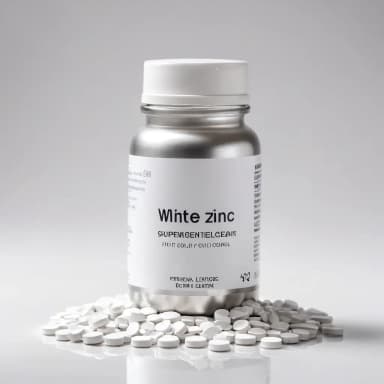
Zinc
Zinc (Zn)
Also known as: Zinc Gluconate, Zinc Picolinate, Zinc Bisglycinate, Zinc Acetate, Zinc Sulfate, Zinc Oxide, Zn
Zinc is an essential trace mineral required for over 100 enzymatic reactions, playing critical roles in immune function, wound healing, protein synthesis, DNA synthesis, and cell division. Clinical evidence supports zinc supplementation for reducing common cold duration.
Introduction
Zinc is an essential trace mineral that serves as a cofactor for more than 100 enzymes and plays fundamental roles in virtually all biochemical pathways in the human body. Despite being needed only in small amounts (trace mineral), zinc's importance cannot be overstated—it is required for growth, immune function, wound healing, protein synthesis, DNA synthesis, and cell division.
The human body contains approximately 2-3 grams of zinc, distributed primarily in muscles (60%), bones (30%), and other tissues. Unlike some minerals, zinc has no dedicated storage system, meaning adequate daily intake is essential. The body tightly regulates zinc through absorption and excretion, with absorption rates increasing when intake is low and decreasing when intake is high.
Zinc was first recognized as essential for growth in the 1960s when researchers identified it as the cause of growth retardation and hypogonadism in Middle Eastern adolescent males. Since then, research has revealed its vast importance across virtually every physiological system.
Key functions of zinc include:
Immune Function: Zinc is crucial for both innate and adaptive immunity. It supports development and function of neutrophils, natural killer cells, macrophages, and T-lymphocytes. Zinc deficiency impairs immune function and increases susceptibility to infections.
Protein and DNA Synthesis: Zinc is required for RNA polymerase and DNA polymerase enzymes, making it essential for cell growth, division, and repair.
Wound Healing: Zinc is necessary for collagen synthesis, immune cell function at wound sites, and cellular proliferation required for tissue repair.
Sense of Taste and Smell: Zinc is a component of carbonic anhydrase VI, an enzyme crucial for taste perception. Deficiency commonly causes taste impairment and can affect smell.
Growth and Development: Zinc is essential for normal growth during childhood, adolescence, and pregnancy. It is particularly critical during periods of rapid growth.
Reproductive Health: In men, zinc is concentrated in the prostate and testes and is essential for testosterone production and sperm formation.
Antioxidant Defense: Zinc is a component of copper-zinc superoxide dismutase (CuZnSOD), an important antioxidant enzyme, and protects against oxidative stress.
Clinical research has shown that zinc lozenges or syrup, when started within 24 hours of cold symptom onset, can reduce the duration of the common cold by approximately 1-3 days. However, zinc does not appear to prevent colds when taken prophylactically.
Zinc deficiency affects an estimated 17% of the global population, with higher rates in developing countries. Risk factors for deficiency include inadequate dietary intake, malabsorption syndromes, chronic liver or kidney disease, sickle cell disease, diabetes, cancer, and pregnancy/lactation.
Main Benefits
Reduces duration of the common cold when started within 24 hours of symptom onset; lozenges or syrup most effective. Meta-analysis shows modest reduction in duration.
Essential for immune cell function including neutrophils, natural killer cells, macrophages, and T-lymphocytes; deficiency impairs both innate and adaptive immunity.
Supports wound healing through collagen synthesis, immune cell recruitment, and cellular proliferation; used clinically for pressure ulcers and burns.
Essential for normal growth and development, particularly during childhood, adolescence, and pregnancy; deficiency causes growth retardation.
Supports male reproductive health and testosterone production; deficiency associated with hypogonadism and impaired sperm quality.
Required for normal taste and smell function; deficiency commonly causes dysgeusia (taste disturbance) and hyposmia (reduced smell).
Mechanism of Action
Zinc exerts its effects through its role as an essential cofactor for enzymes, structural protein component, and regulator of gene expression:
- Enzyme Cofactor: Zinc is required for the catalytic function of over 100 enzymes, including:
- Carbonic anhydrase (acid-base balance, taste perception)
- Carboxypeptidases (protein digestion)
- Alcohol dehydrogenase (alcohol metabolism)
- Alkaline phosphatase (bone mineralization)
- Superoxide dismutase (antioxidant defense)
- DNA and RNA polymerases (nucleic acid synthesis)
Structural Component: Zinc stabilizes the structure of proteins and cell membranes through zinc finger domains—protein structural motifs that bind zinc and enable protein-DNA and protein-protein interactions critical for gene regulation.
Immune Cell Development and Function:
- Required for thymulin, a thymus hormone essential for T-cell development
- Supports proliferation and differentiation of immune cells
- Modulates cytokine production and signaling
- Essential for neutrophil and natural killer cell function
- Maintains integrity of skin and mucosal barriers (first line of defense)
- Antiviral Mechanisms: Zinc may reduce common cold duration through:
- Direct antiviral effects on rhinoviruses in the oropharynx (lozenges)
- Inhibition of viral replication
- Stabilization of cell membranes against viral entry
- Protein Synthesis: Zinc is required for:
- RNA polymerase activity (transcription)
- Ribosomal function (translation)
- Amino acid metabolism
- Protein folding and stability
- Cellular Division and Growth: Zinc is essential for DNA synthesis through:
- DNA polymerase and DNA primase function
- Nucleotide synthesis
- Chromatin structure maintenance
- Cell cycle regulation
- Hormonal Regulation: Zinc affects multiple hormones:
- Required for testosterone synthesis in Leydig cells
- Insulin synthesis, secretion, and action
- Growth hormone and IGF-1 function
- Thyroid hormone metabolism
- Wound Healing: Zinc supports healing through:
- Collagen synthesis (required for prolyl hydroxylase)
- Immune cell recruitment to wound sites
- Epithelial cell proliferation
- Antioxidant protection at wound sites
- Absorption and Transport: Zinc is absorbed primarily in the jejunum through specific zinc transporters (ZIP4) and competes with other divalent cations (calcium, iron, copper) for absorption. Once absorbed, zinc is transported bound to albumin and alpha-2-macroglobulin.
Natural Sources
Zinc is found in a wide variety of foods. Best sources include oysters and shellfish (highest concentration), red meat, poultry, beans, nuts, whole grains, fortified cereals, and dairy products. Bioavailability varies—zinc from animal sources is more bioavailable than from plant sources due to phytates in plants that inhibit absorption.
Examples:
Oysters (highest concentration of any food)
Beef and lamb
Pumpkin seeds and sesame seeds
Cashews and almonds
Chickpeas and lentils
Chicken and turkey
Yogurt and cheese
Fortified breakfast cereals
Dark chocolate
Zinc-rich foods are available but vegetarians/vegans may have difficulty meeting RDA due to lower bioavailability from plant sources (phytates).
Deficiency Symptoms
Zinc deficiency causes diverse symptoms affecting growth, immune function, skin, and sensory perception. Severe deficiency causes growth retardation, hypogonadism, and immune dysfunction. Marginal deficiency (more common) causes subtle symptoms that may go unrecognized. Risk factors include malabsorption, alcoholism, chronic disease, and inadequate intake.
Common Symptoms:
Growth retardation (children)
Loss of appetite
Impaired immune function
Hair loss
Diarrhea
Delayed wound healing
Taste and smell abnormalities
Skin lesions (eczema-like)
Hypogonadism and impotence (men)
Delayed sexual maturation
Eye and skin lesions
Behavioral disturbances
Global deficiency affects ~17% of population; higher rates in developing countries; marginal deficiency may be more common in developed countries, particularly among vegetarians, elderly, and those with malabsorption.
Zinc deficiency impacts growth, immunity, reproduction, and sensory function; associated with increased infection risk and growth failure in children.
Recommended Daily Intake
RDA established by NIH: Men 11 mg/day, Women 8 mg/day. UL: 40 mg/day from all sources (including supplements and food). Pregnancy increases requirement to 11 mg/day; lactation to 12 mg/day. Upper limit primarily based on interference with copper absorption at high doses.
Effectiveness for Specific Focuses
Essential for immune cell function; deficiency impairs immunity; clinical trials support cold duration reduction; strongest evidence for zinc's therapeutic use.
Essential for skin integrity and wound healing; deficiency causes skin lesions and hair loss; clinical use for pressure ulcers and burns.
Essential for testosterone synthesis and spermatogenesis; deficiency associated with hypogonadism and fertility issues.
Component of CuZnSOD antioxidant enzyme; protects against oxidative stress; maintains cellular antioxidant defenses.
Important for pregnancy and fetal development; increased requirements during pregnancy and lactation.
Safety Information
Potential Side Effects
Nausea and vomiting
Metallic taste
Stomach upset and diarrhea
Loss of appetite
Headache
Copper deficiency (with chronic high-dose use)
Contraindications
None absolute
Use caution with copper deficiency
Overdose Information
Generally safe at RDA levels; UL established due to copper deficiency risk at high doses. Single large doses may cause GI distress but are not life-threatening.
Acute high doses cause nausea, vomiting, loss of appetite, abdominal cramps, diarrhea, and headache. Chronic excess (>150 mg/day) causes copper deficiency, anemia, and immune impairment.
Documented Overdose Symptoms:
Nausea and vomiting
Abdominal cramps
Diarrhea
Loss of appetite
Headache
Copper deficiency (chronic excess)
Anemia (chronic excess)
Reduced immune function (chronic excess)
Toxicity Thresholds: UL of 40 mg/day based on preventing copper deficiency. Acute toxicity rare; chronic intake >150 mg/day causes adverse effects.
Well-tolerated at recommended doses. Nausea is most common side effect, usually preventable by taking with food. Long-term high-dose use requires copper supplementation.
Interactions
Drug Interactions:
Antibiotics (quinolones, tetracyclines) - separate by 2+ hours
Penicillamine (zinc reduces absorption)
Thiazide diuretics (reduce zinc excretion, may increase levels)
ACE inhibitors (may increase zinc levels)
Cisplatin (may increase zinc requirements)
Moderate concern with antibiotics (timing separation needed); other interactions less clinically significant but should be monitored.
Other Supplement Interactions:
Iron (competes for absorption - separate doses)
Calcium (high doses compete for absorption)
Copper (high zinc causes copper deficiency)
Magnesium (competes for absorption at high doses)
Folic acid (may impair zinc absorption at high doses)
Competing minerals should be separated by 2+ hours; high-dose zinc requires copper supplementation to prevent deficiency.
Do not use intranasal zinc (nasal sprays) due to risk of permanent loss of smell. Long-term use above 40 mg/day requires copper supplementation. Separate from antibiotics and iron supplements by at least 2 hours. Take with food to reduce nausea.
Forms and Bioavailability
Zinc comes in several forms with varying absorption characteristics. Organic forms (gluconate, picolinate, bisglycinate) are generally better absorbed than inorganic forms (oxide, sulfate). Zinc lozenges or syrup are preferred for cold treatment due to local antiviral effects in the throat.
Zinc Bisglycinate (Chelated)
Zinc bound to two glycine molecules; excellent absorption; gentle on stomach; 2-4x better absorbed than other forms.
Superior absorption due to chelation; amino acid transporters enable efficient uptake; well-tolerated with minimal GI effects.
Best for general supplementation, especially if other forms cause nausea. Provides reliable absorption even with food.
Zinc Gluconate
Zinc salt of gluconic acid; well-absorbed organic form; commonly used in lozenges for cold treatment.
Good absorption; extensive clinical use for colds; generally well-tolerated; better absorbed than oxide.
Good all-around choice. Common in cold lozenges. Well-tolerated by most people. Good balance of absorption and cost.
Zinc Picolinate
Zinc bound to picolinic acid; good absorption but less research than gluconate; picolinic acid is a natural chelator.
Good absorption; popular in supplements; some evidence suggests good bioavailability, though head-to-head studies limited.
Popular choice among supplement users. Good absorption. May be slightly more expensive than gluconate.
Zinc Acetate
Zinc salt of acetic acid; used in some cold lozenges; similar absorption to gluconate; ionic form releases zinc quickly.
Good absorption; effective for cold lozenges; ionic form provides rapid zinc release in the mouth/throat.
Often used in clinical cold lozenges. Good choice for acute immune support. Similar efficacy to gluconate.
Zinc Oxide
Inorganic zinc salt; poorly absorbed compared to organic forms; commonly used in sunscreens and some multivitamins due to low cost.
Poor absorption; may be adequate for preventing deficiency but not optimal for repletion; better forms available for supplementation.
Avoid for supplementation. Cheap but poorly absorbed. Often found in low-cost multivitamins where quantity matters more than quality.
Warnings & Suitability
Did You Know...?
Oysters contain more zinc per serving than any other food—providing about 74 mg per 3-ounce serving, which is nearly 7 times the daily requirement for men.
The discovery of zinc's essential role in humans came from studying adolescent males in rural Iran and Egypt in the 1960s who showed growth retardation and delayed sexual maturation due to zinc-deficient diets.
Zinc is the second most abundant trace mineral in the human body after iron. However, unlike iron, zinc has no specialized storage system, requiring daily intake.
Intranasal zinc products (nasal sprays/gels) were removed from the market after causing permanent loss of smell (anosmia) in some users. Never use zinc nasal products.
Phytates in whole grains and legumes bind zinc and reduce its absorption. This is why vegetarians may need up to 50% more zinc than meat-eaters to meet requirements.
General Scientific Sources
Tags
Content Verification
Content created with AI assistance and reviewed for accuracy. Sources are cited throughout the text.
Last Medical Review: 2/25/2026
Reviewed by: Prodata.cc