

Probiotics
Understanding Probiotics: Beneficial Bacteria for Your Health
Probiotics are live microorganisms (bacteria and yeasts) that, when administered in adequate amounts, confer a health benefit on the host. They are often referred to as "good" or "friendly" bacteria because they help keep your gut healthy and can support various bodily functions.
The human gut microbiome is a complex ecosystem teeming with trillions of microorganisms, both beneficial and potentially harmful. Probiotics help maintain a healthy balance in this ecosystem, which is crucial for proper digestion, nutrient absorption, immune system function, and even mental well-being.
How Probiotics Work:
Probiotics can exert their beneficial effects through several mechanisms:
- Competitive Exclusion: They can compete with pathogenic (harmful) bacteria for nutrients and attachment sites in the gut, thereby limiting the growth of pathogens.
- Production of Beneficial Substances: Some probiotics produce substances like lactic acid, hydrogen peroxide, and bacteriocins, which can inhibit the growth of harmful bacteria. They also produce short-chain fatty acids (SCFAs) like butyrate, which nourish gut lining cells.
- Modulation of the Immune System: Probiotics can interact with the gut-associated lymphoid tissue (GALT), which is a major part of the body's immune system, helping to regulate immune responses.
- Strengthening the Gut Barrier: They can enhance the integrity of the intestinal lining, preventing "leaky gut" and the passage of harmful substances into the bloodstream.
- Aiding Digestion and Nutrient Absorption: Some probiotics help break down food components that are otherwise indigestible and can improve the absorption of certain nutrients.
Common Strains and Their Potential Benefits:
Probiotic effects are strain-specific, meaning that different strains (even within the same species) can have different health benefits. Some commonly studied genera and species include:
- Lactobacillus: Often found in yogurt and other fermented foods. Different strains may help with diarrhea, lactose intolerance, and vaginal health (e.g., Lactobacillus rhamnosus GG, Lactobacillus acidophilus).
- Bifidobacterium: Commonly found in dairy products and are important inhabitants of the infant gut. Strains may support immune function, alleviate constipation, and reduce symptoms of Irritable Bowel Syndrome (IBS) (e.g., Bifidobacterium bifidum, Bifidobacterium longum).
- Saccharomyces boulardii: A beneficial yeast often used to prevent and treat diarrhea, including antibiotic-associated diarrhea and traveler's diarrhea.
Choosing and Using Probiotics:
- Strain Specificity: Look for products that specify the genus, species, and strain of the probiotic(s) included, as benefits are strain-specific.
- CFU (Colony Forming Units): This indicates the number of viable bacteria per dose. Effective doses vary depending on the strain and health condition, but often range from 1 billion to 100 billion CFUs or more.
- Product Quality and Viability: Choose reputable brands that guarantee viability through the expiration date and use good manufacturing practices. Some probiotics require refrigeration.
- Targeted Use: Consider probiotics for specific health concerns (e.g., after antibiotics, for IBS symptoms, for general gut health) rather than as a general cure-all.
- Dietary Sources: Probiotics are naturally found in fermented foods like yogurt (with live active cultures), kefir, sauerkraut, kimchi, miso, and tempeh.
- Consultation: It's advisable to consult with a healthcare professional before starting probiotic supplements, especially for individuals with compromised immune systems, serious underlying health conditions, or those who are pregnant or breastfeeding.
This section provides more detailed information on specific probiotic strains and formulations.
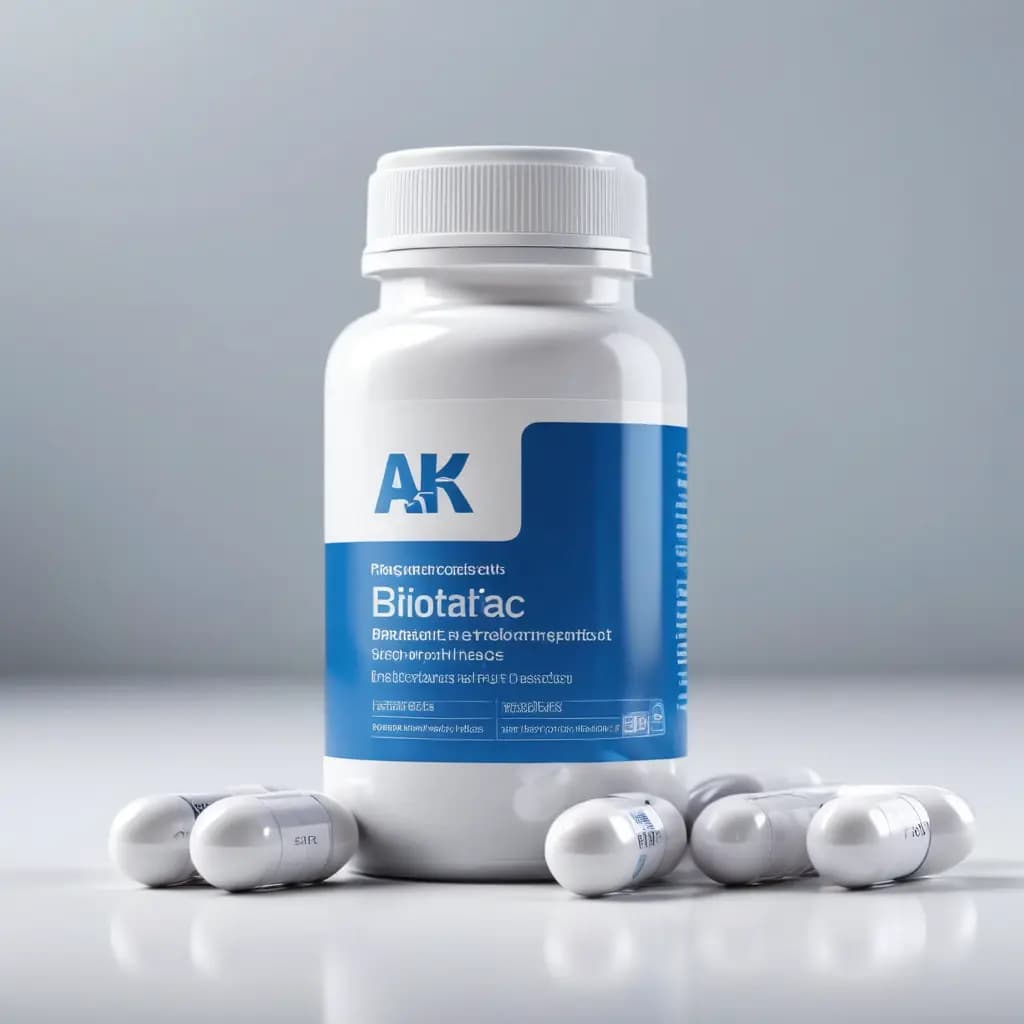
Bifidobacterium
Bifidobacterium is a genus of beneficial bacteria that naturally colonize the human gut. These probiotics support digestive health, immune function, and may help manage conditions like IBS and diarrhea.
Key focuses:
 Gut Health
 Immunity Support
 Inflammation Response Support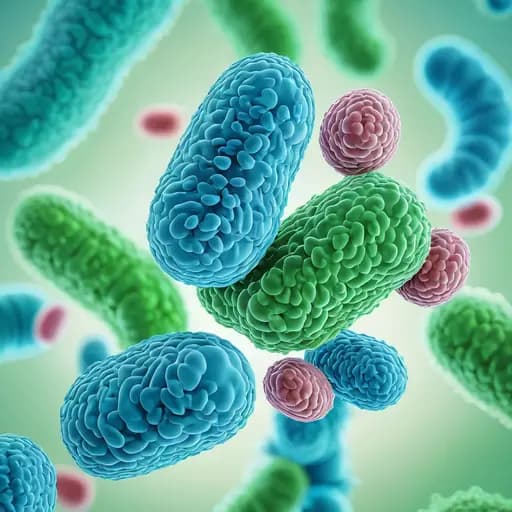
Lactobacillus acidophilus
Lactobacillus acidophilus is a probiotic bacterium commonly used to support digestive health, enhance immune function, and maintain balanced intestinal flora.
Key focuses:
Gut HealthImmunity Support